

Zero commodity transits over the weekend underline deepening Persian Gulf maritime crisis while regional diplomatic efforts falter
DUBAI — Diplomatic efforts between Washington and Tehran hit a complete stalemate on Monday as maritime traffic through the Strait of Hormuz plunged to record lows, triggering a fresh surge in global crude prices and worsening energy security concerns worldwide.
Iranian Foreign Minister Seyed Abbas Araghchi stated that Tehran has made no decision to resume direct or indirect negotiations with the United States, citing unfulfilled conditions and ongoing military tensions across the region. The diplomatic pause comes as shipping tracking data confirmed a near-total collapse in vessel movement through the world’s most critical oil transit bottleneck.
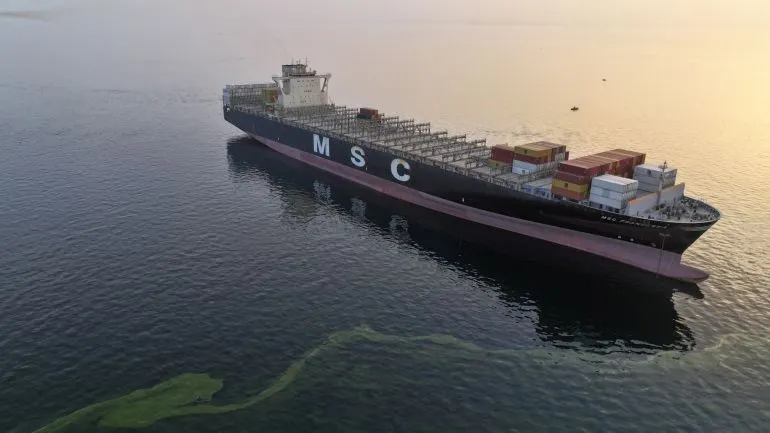
Only five commodity vessels managed to navigate the 39-kilometer-wide waterway on Saturday, while Sunday recorded zero commercial transits, according to maritime intelligence logs. The sharp decline in traffic reflects heightened risks after repeated maritime security incidents and explicit Iranian declarations requiring prior military permission for passage.



Energy markets reacted swiftly to the prolonged transit deadlock. Brent crude futures climbed early Monday to briefly touch $89.40 per barrel as energy traders priced in structural supply disruptions from the Persian Gulf.

Outside the Gulf, parallel diplomatic tracks faced similar hurdles. US negotiators held regional discussions in Cairo alongside Egyptian, Qatari, and Turkish mediators aimed at advancing a cease-fire framework for Gaza. While Hamas representatives participated in consultations, Israeli officials expressed significant reservations over key terms of the proposed roadmap, slowing progress.
Cross-border hostilities between Israeli forces and Hezbollah along the Lebanese border continued to intensify, further straining regional security architectures. The United States maintains a substantial naval and military footprint across Middle Eastern waters to deter further escalation and protect commercial shipping lanes.