































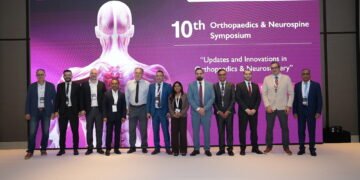




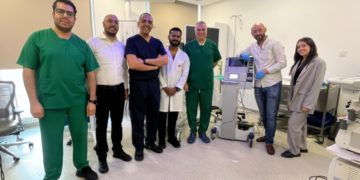





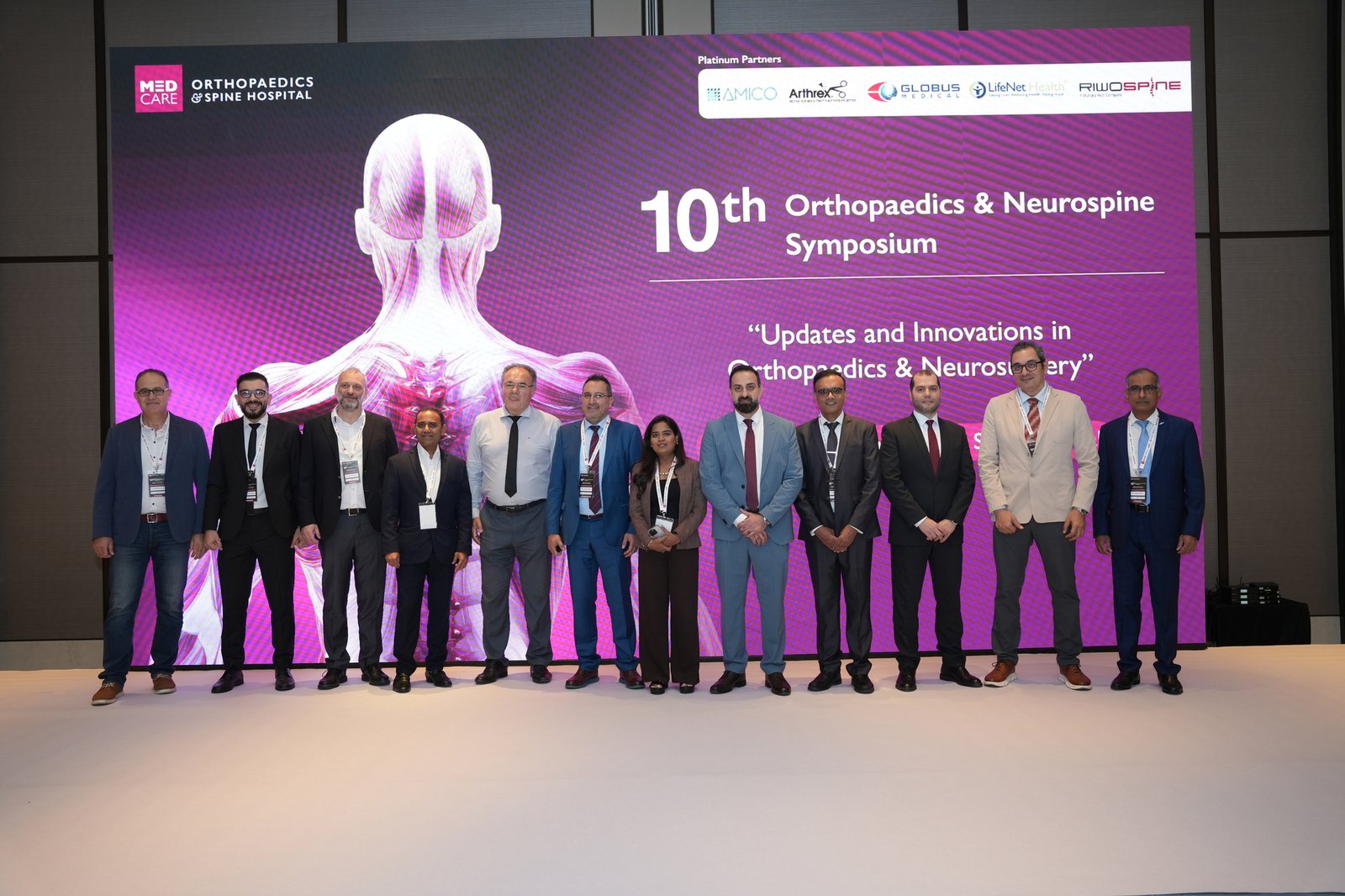
Advances in minimally invasive and microsurgical techniques are transforming orthopaedic, brain and spine surgery, making procedures safer, more precise, and less traumatic for patients, experts said at the 10th Medcare Orthopaedics & Neuro-Spine Symposium.

The annual medical education forum, hosted by Medcare Orthopaedics & Spine Hospital, gathered leading specialists from across the region to share research findings, clinical experiences, and case studies focused on improving mobility, independence, and long-term quality of life.

A central theme of this year’s symposium was the integration of smart technologies — including robotic systems and AI-powered navigation — into neurosurgical and spine procedures. According to Dr. Thaer Darwish, Consultant Spine Surgeon and Head of Neuro & Spine Surgery, these technologies are enabling surgeons to perform complex and revision spine surgeries with greater precision, even in high-risk cases complicated by scar tissue or altered anatomy.

“Today, we are not only reducing complications but also significantly improving long-term outcomes, offering renewed hope to patients who continue to suffer persistent pain after previous procedures,” he said.
Dr. Azzam Fayyad, Medical Director and Symposium Chairperson, highlighted the importance of subspecialisation in orthopaedics. From joint replacement and shoulder repair to artificial ligaments and minimally invasive foot and ankle surgery, he said the hospital’s multidisciplinary model ensures patients benefit from collaborative expertise across all orthopaedic subspecialties.
The symposium also addressed emerging approaches in brain tumour surgery. Consultant Neuro & Spine Surgeon Dr. Gopalakrishnan noted that improved visualisation systems and refined microsurgical instruments now allow tumour removal with greater protection of surrounding brain tissue, resulting in reduced post-operative pain and faster recovery.
Dr. Shanila Laiju, Group CEO of Medcare Hospitals, said the symposium reinforces the organisation’s commitment to clinical excellence and innovation. “Medical progress must translate into meaningful improvements in patient safety and quality of life. Forums like this ensure continuous learning and alignment with international standards,” she said.
Operating under Aster DM Healthcare, Medcare runs multiple hospitals and medical centres across the UAE, all accredited by the Joint Commission International (JCI).
Experts concluded that with the region experiencing longer life expectancy and increased spine-related disorders due to lifestyle and posture issues, the shift toward less invasive, technology-driven surgery is both timely and necessary.