


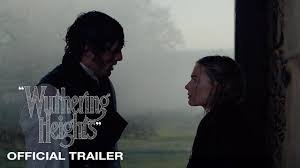

For decades, Wuthering Heights has been marketed as a sweeping romance. From dramatic film posters to pop culture tributes like Kate Bush’s haunting 1978 hit, the story of Heathcliff and Catherine has been framed as epic, eternal love.
But scratch beneath the surface of Emily Brontë’s only novel, and the picture becomes far murkier.
Heathcliff is not a misunderstood romantic hero. He is vengeful, manipulative and often cruel. Catherine, equally volatile, declares her love for him while choosing to marry another man for social advancement. Their relationship is built less on tenderness than on obsession.



The novel reflects a 19th-century tension between companionate marriage and adulterous passion. Romantic love, at the time, was often seen as destabilising — a force that threatened social order. In that sense, Wuthering Heights captures love not as comfort, but as catastrophe.
Unlike classic romances such as Pride and Prejudice by Jane Austen, Brontë’s story does not reward its lovers with union or harmony. Catherine dies young. Heathcliff is left spiritually ravaged. While the younger generation hints at reconciliation, the central love story ends in grief, not bliss.
And yet, audiences remain captivated.
Perhaps it is because the novel anticipates what today’s readers call “dark romance” — stories that revel in intensity, moral ambiguity and destructive passion. Heathcliff and Catherine’s bond is unhealthy by modern standards, but it is undeniably powerful.

So is Wuthering Heights romantic? Not in the conventional sense. But it is passionate, excessive and emotionally volcanic — qualities that ensure its place in literary history.
Two centuries on, the windswept moors still echo with the question: is this love, or something far more dangerous?