


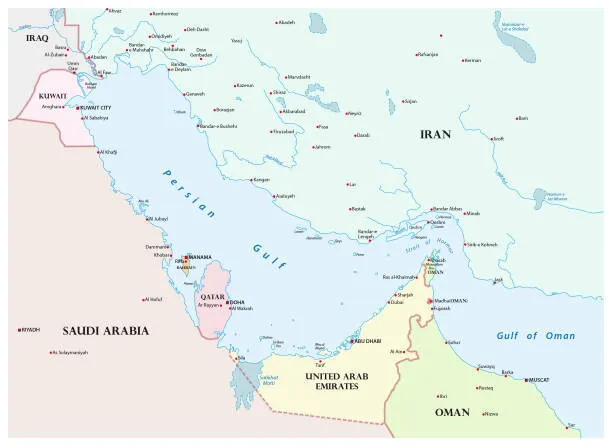
TEHRAN – In a significant move amid the ongoing military escalation in the Middle East, Iran has officially authorized the passage of vessels carrying essential and humanitarian goods through the Strait of Hormuz to its ports.
The directive, first reported by the semi-official Tasnim News Agency on Saturday, cites an official letter from the Agriculture Ministry’s trade development office. According to the report, the Iranian government and armed forces have approved the transit of ships carrying “humanitarian commodities, especially essential goods and livestock feed,” provided they comply with established maritime protocols.

Key Highlights of the Directive:
- Coordination Required: Vessels currently in the Gulf of Oman or those destined for southern Iranian ports must coordinate with Iranian authorities to ensure safe passage through the strait.
- Scope of Goods: The authorization specifically covers humanitarian aid, food supplies, and animal feed.
- Foreign Vessels: Some foreign-flagged vessels have also reportedly been granted permission to pass under these new guidelines.
Context of the Crisis
The Strait of Hormuz, a narrow waterway that handles approximately one-fifth of the world’s total oil trade, has been under effective Iranian closure following the start of major hostilities on February 28, 2026. The conflict began with joint U.S.-Israeli strikes on Iranian territory, which resulted in the death of senior leadership and sparked a series of retaliatory missile and drone attacks across the region.



While the strait has remained largely blocked to international commercial traffic—leading to significant global energy concerns—this latest move suggests a strategic opening to prevent a domestic supply crisis for essential goods.
Regional Impact
Industry associations have already begun informing member companies to resume the movement of cargo ships toward Iranian ports. However, the broader maritime restriction remains in place for most other commercial traffic.
Reports indicate that Iran is considering a “tiered” approach to the strait, potentially classifying nations as hostile, neutral, or friendly, and may implement a toll system for certain vessels. Meanwhile, international leaders, including U.S. President Donald Trump, have expressed a desire to see the waterway fully reopened to stabilize global markets, though military tensions in the Persian Gulf remain at a critical high.