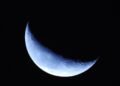




































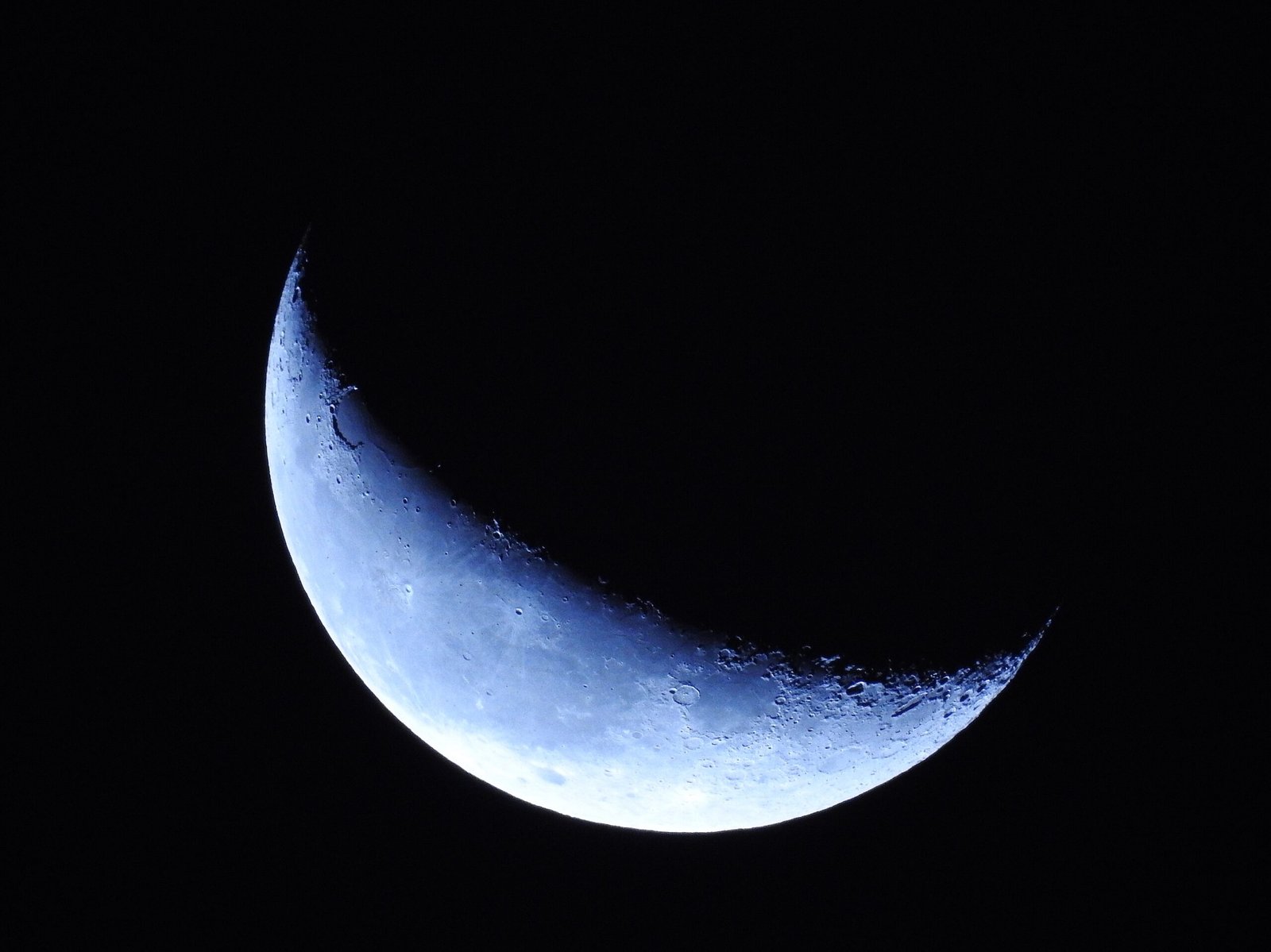
There is something timeless about searching the evening sky for the first delicate curve of the Ramadan crescent. It is a moment of stillness — one that connects families, communities, and generations.

The official moon-sighting committee will gather at Qasr Al Hosn, Abu Dhabi’s historic landmark, following Maghrib prayer on February 17, 2026. Yet across the Emirates, countless residents will quietly turn their gaze westward, hoping to witness the sacred sign themselves.
In Dubai, the sea offers some of the most peaceful vantage points. At Kite Beach and Jebel Ali Beach, the fading sunlight melts into the Arabian Gulf, creating the perfect horizon line for crescent spotting. For those who prefer greenery over sand, Al Barsha Pond Park provides an unexpectedly open skyline away from towering buildings.
Further inland, Al Qudra Lakes and Hatta Dam offer darker skies and quiet reflection, ideal for families who want to extend the evening under the stars.
In Abu Dhabi, serious sky-watchers often head toward Al Quaa Milky Way Spot, renowned for its minimal light pollution. Meanwhile, Al Wathba Desert combines natural beauty with tranquil desert silence.
For the ultimate escape, the sweeping dunes of Liwa Desert provide one of the clearest night skies in the country. In Sharjah, Mleiha Desert is widely celebrated among astronomy lovers. And in the north, the dramatic heights of Jebel Jais offer a breathtaking, high-altitude view where the crescent can appear brighter and more vivid.
However you choose to mark this special evening — by the sea, in the desert, or atop a mountain — the moment the crescent appears is one of unity and renewal.