


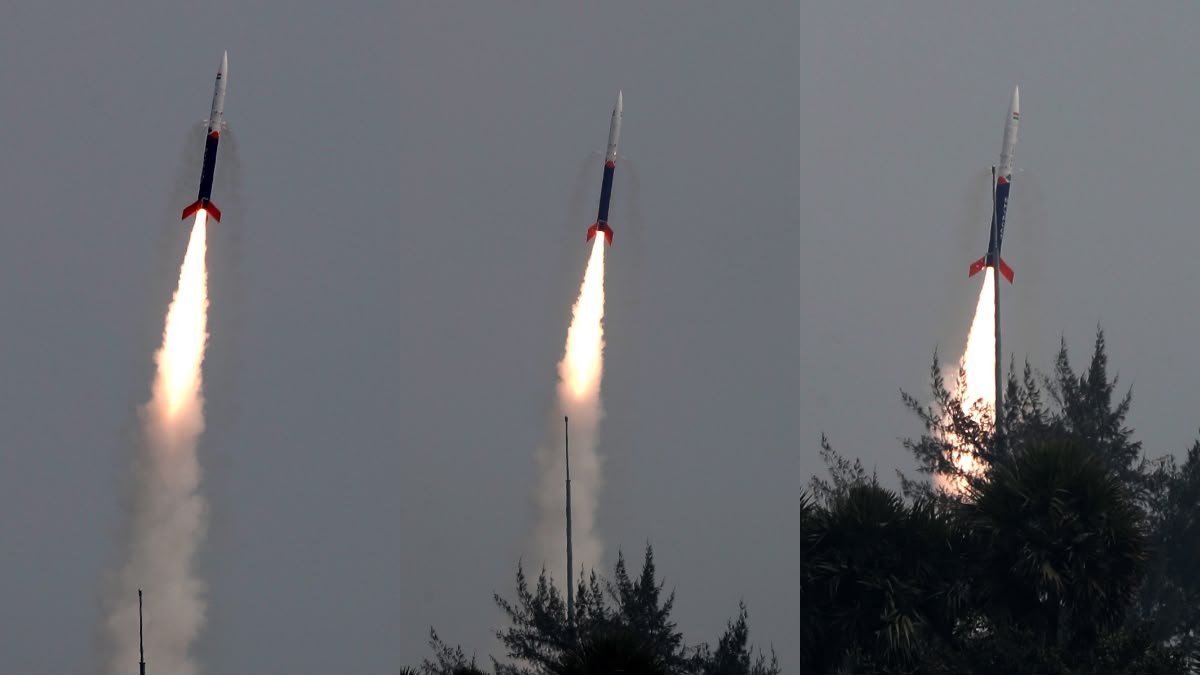

The Vikram-S suborbital vehicle peaks at an altitude of 89.5 kilometres, ushering in a new era of commercial space exploration for the nation’s private aerospace sector.
SRIHARIKOTA, India — July 18, 2026:India’s space sector entered a historic era on Friday with the successful launch of the country’s first privately developed rocket, the Vikram-S. Developed by Hyderabad-based aerospace startup Skyroot Aerospace, the suborbital vehicle lifted off from the Indian Space Research Organisation’s (ISRO) Satish Dhawan Space Centre in Sriharikota, marking the official entry of private industry into a domain traditionally dominated by state agencies.


The mission, named ‘Prarambh’ (The Beginning), saw the 6-meter-tall rocket lift off at 11:30 AM IST. It achieved a peak altitude of 89.5 kilometres, comfortably clearing the target trajectory before safely splashing down in the Bay of Bengal approximately five minutes after launch. The rocket carried three customer payloads, including one developed by students from Space Kidz India, an aerospace education organization.


Skyroot Aerospace confirmed that all flight parameters were validated during the brief suborbital mission. The Vikram-S is powered by the Kalam-80 solid propulsion engine, a completely indigenous carbon-composite motor developed by the startup. The successful flight validates the core technologies, including the avionics, carbon-composite structures, and solid propulsion systems, that will power the company’s upcoming orbital launch vehicles.
“This is a major turning point for the Indian space ecosystem,” said Pawan Kumar Chandana, Chief Executive Officer and Co-founder of Skyroot Aerospace, speaking from the launchpad. “The Prarambh mission demonstrates that private Indian enterprises can design, build, and fly flight-worthy aerospace structures in record time. We have proven the reliability of our core propulsion and avionics architectures today.”
The launch was enabled through a technical partnership with ISRO and IN-SPACe (Indian National Space Promotion and Authorization Center), the government body established to regulate and facilitate private sector participation in the country’s space activities. ISRO provided access to its launchpad facilities, tracking systems, and range safety infrastructure at Sriharikota.
Pawan Goenka, Chairman of IN-SPACe, characterized the launch as a validation of India’s newly liberalized space policies. “This success proves that the policy framework implemented by the government to open up the space sector is delivering tangible results. Skyroot has shown the path for dozens of other space tech startups currently building launch vehicles, satellites, and downstream applications in India,” Goenka stated.
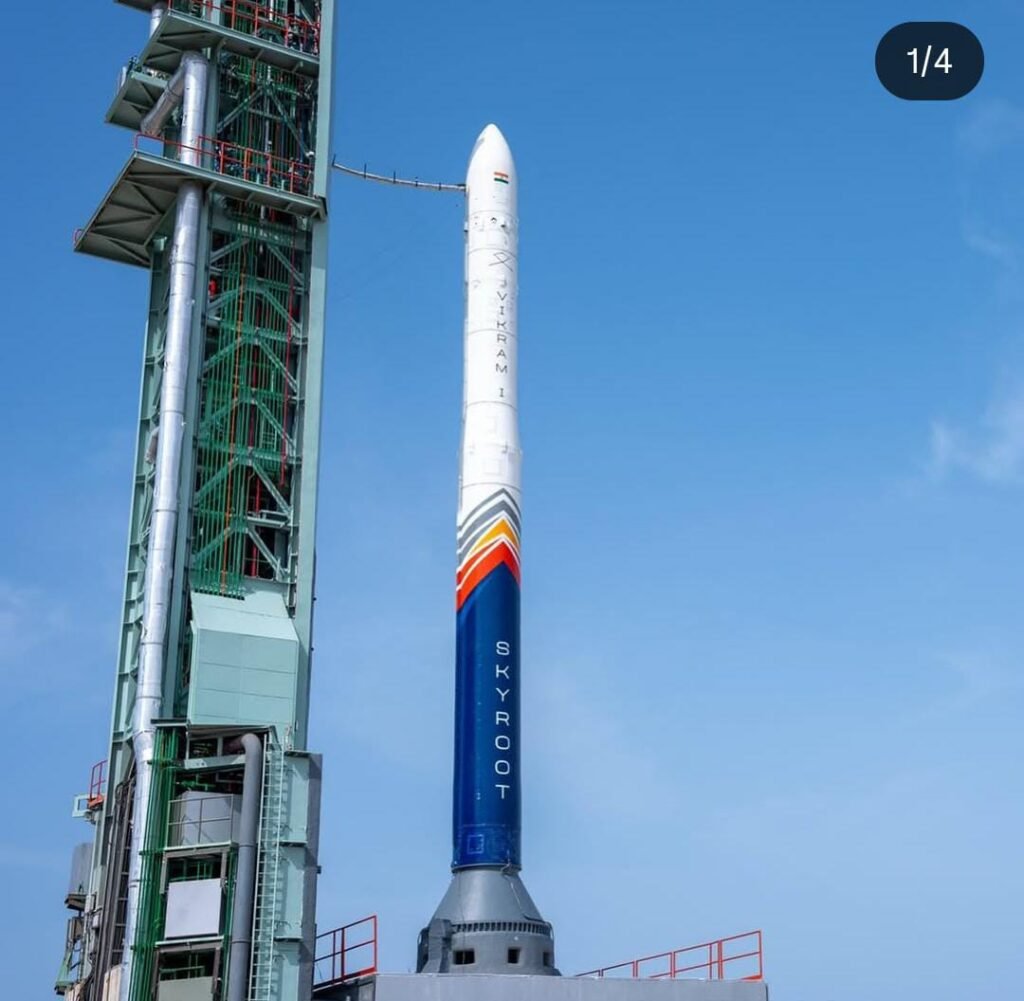
The successful mission positions India alongside a select group of nations with active commercial launch capabilities. Skyroot is currently developing the Vikram series of orbital launch vehicles, designed specifically to cater to the surging global demand for small satellite launches. The flagship Vikram-I rocket, which will offer affordable, on-demand launch services for small satellites, is scheduled for its inaugural orbital flight attempt within the coming year.
Founded in 2018 by former ISRO scientists Pawan Kumar Chandana and Naga Bharath Daka, Skyroot Aerospace became the first private company to sign a formal Memorandum of Understanding (MoU) with ISRO to utilize national space launch infrastructure. The company has raised significant venture capital funding to support its manufacturing and development pipeline, making it one of the most heavily backed space technology firms in South Asia.