







































Tehran: Iran has reportedly introduced new conditions to end ongoing tensions in West Asia, including a controversial proposal to gain full control over the strategically vital Strait of Hormuz — a move that could reshape global energy markets and geopolitical dynamics.

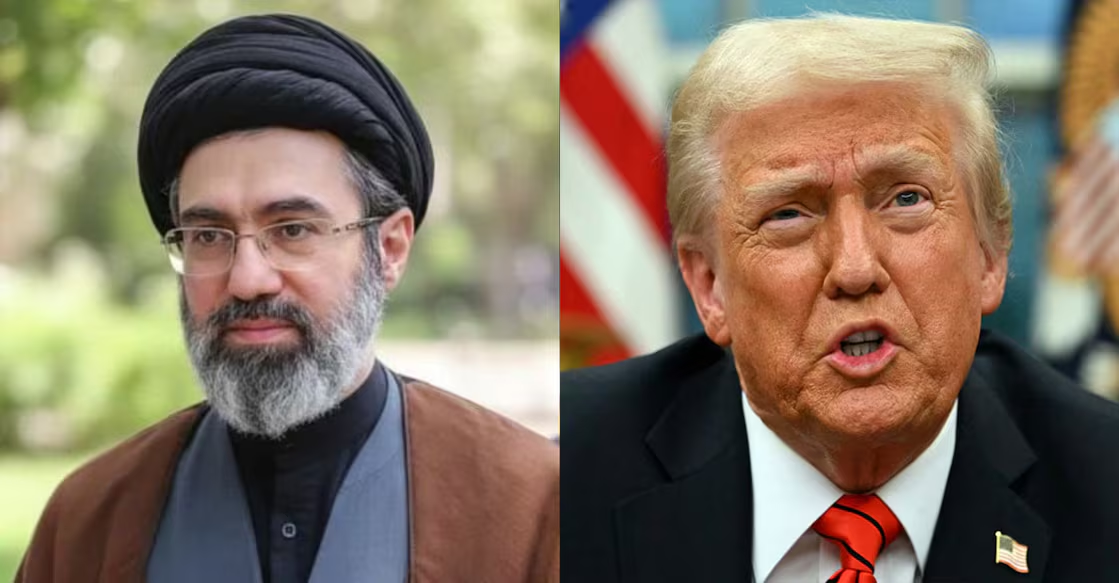
The proposal comes in response to a set of conditions previously put forward by the United States aimed at de-escalating the conflict. Iran’s counter-strategy reportedly focuses on leveraging its geographical advantage over the Strait of Hormuz, one of the world’s most critical oil transit chokepoints.

Nearly 20% of global crude oil supply passes through the narrow waterway. Any disruption or control over the strait has immediate global consequences, as recently witnessed when partial closures led to a sharp spike in oil prices, crossing $100 per barrel.

Analysts believe Iran now views the strait as a strategic bargaining tool. By asserting control, Iran could potentially charge transit fees for oil tankers and commercial vessels passing through the route. Reports suggest that Iran may seek to collect up to $2 million per tanker, potentially generating around $20 million per day and up to $800 million per month when including gas shipments.
Such a move could significantly boost Iran’s economy, which has been under pressure due to sanctions and prolonged conflict. It would also give Tehran considerable influence over global oil pricing and supply chains.
However, the proposal has sparked strong opposition internationally. The United States and other global powers have stated that such actions would violate international maritime laws. US officials have warned that allowing a single nation to control a key global shipping route is unacceptable and could destabilize global trade.
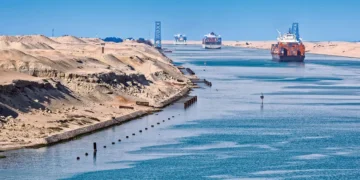
The Strait of Hormuz lies between Iran and Oman, and under international law, it is considered a vital passage open to all nations. Any attempt to restrict access could trigger wider geopolitical tensions and potential military responses.
Experts also warn that prolonged disruption could force shipping routes to divert around Africa’s Cape of Good Hope, increasing costs and delays. Countries like India, which rely heavily on Gulf oil imports, could face severe fuel price shocks and inflationary pressure.
While Iran’s proposal may strengthen its negotiating position, analysts believe it is unlikely to gain global acceptance. Still, the situation highlights the growing importance of strategic maritime routes in modern geopolitical conflicts.