

New Delhi, March 2, 2026: Oil prices jump above $80 and gold nears record highs after Iran blocks the Strait of Hormuz amid escalating US-Israel conflict. Global markets tumble as recession fears grow.
Oil and Gold Rally as Middle East War Escalates; Markets Slide Worldwide

Global markets were thrown into turmoil on Monday after Iran intensified its retaliation and reportedly tightened control over the strategically critical Strait of Hormuz, sending oil and gold prices sharply higher while equities and currencies tumbled.


Brent crude surged nearly 12% at one point to $82.37 per barrel, marking the sharpest single-day rise in recent years and its highest level since January 2025. U.S. crude also climbed as much as 7% before easing slightly following OPEC+’s announcement of increased production.
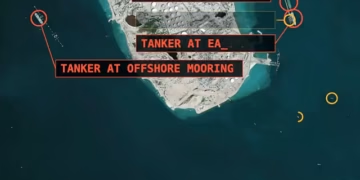
Market fears are centered around potential disruptions to oil shipments through the Strait of Hormuz — a key maritime route responsible for nearly 20% of global oil trade. Reports indicate that nearly 200 vessels, many carrying crude oil and LNG, remain stranded in the region due to heightened security risks.
Gold Spikes as Investors Seek Safe Haven

Amid rising geopolitical uncertainty, gold prices surged dramatically as investors rushed toward safe-haven assets. International gold prices jumped by $145 to reach $5,376 per ounce, signaling potential record highs in domestic markets including India and the Gulf.
Analysts warn that prolonged conflict could push oil prices toward $100–$120 per barrel, drawing comparisons to the oil shocks of the 1970s during Iran’s Islamic Revolution.
UAE Markets Closed; Emergency Measures Expand
Stock exchanges in Dubai and Abu Dhabi will remain closed for two days amid the escalating regional crisis. The conflict has heightened tensions across the Gulf as Iran targets U.S. military bases in the region.
Governments across affected regions are closely monitoring trade, exports, and supply chain disruptions.
Trump Vows Retaliation
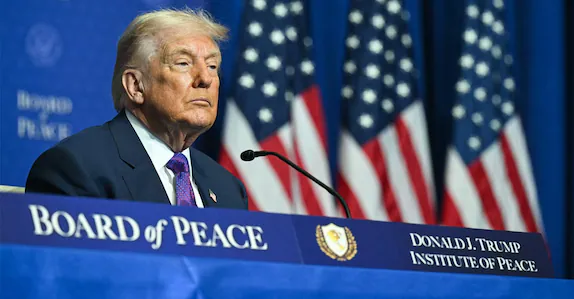
U.S. President Donald Trump reiterated that the United States would continue military operations and promised retaliation for American casualties. Iran has refused to accept U.S. nuclear-related demands, further escalating tensions.
With Iran on one side and the U.S., Israel, and Gulf allies on the other, analysts warn that the conflict risks triggering broader economic instability worldwide.