


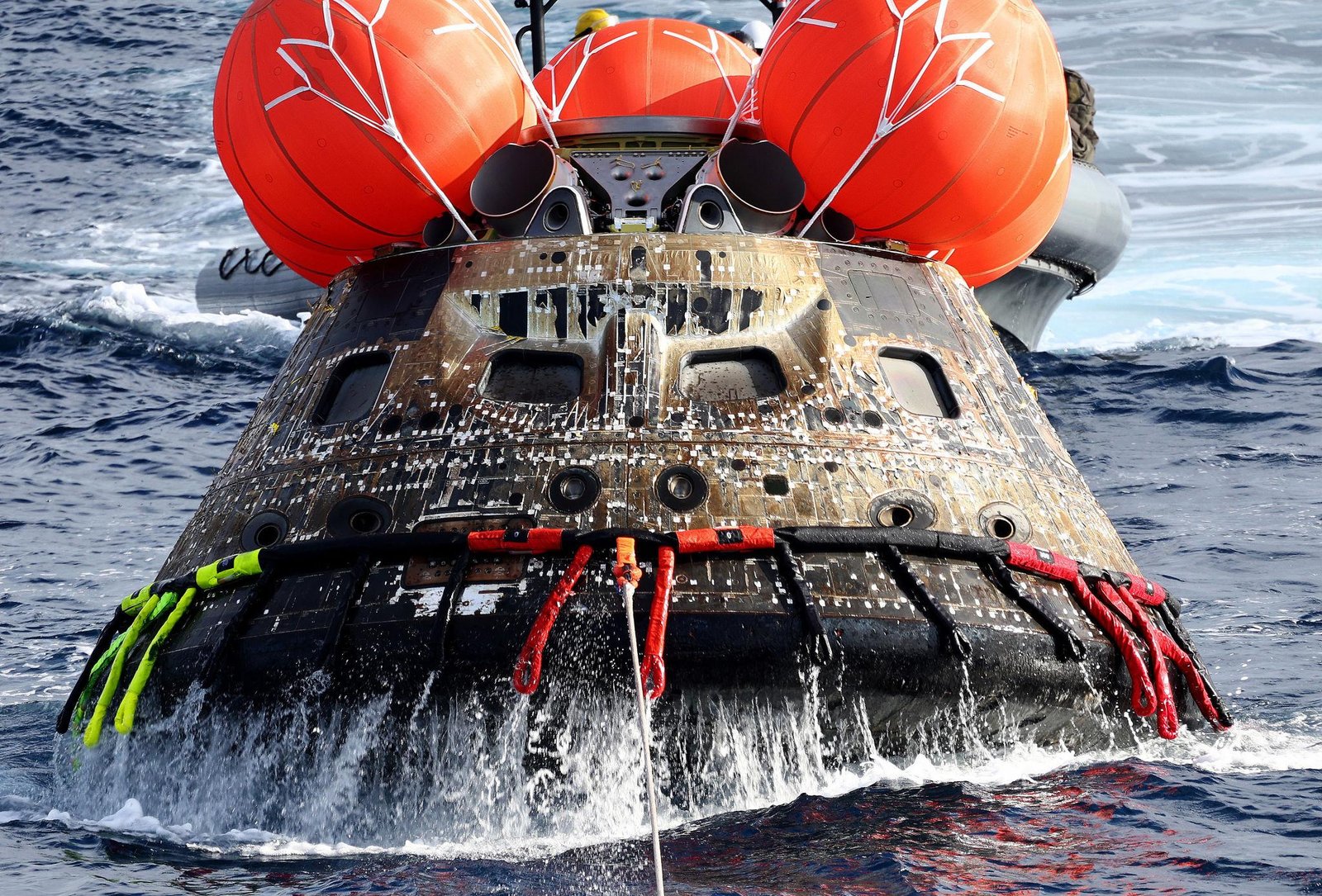

NASA’s Artemis II mission has successfully concluded with the safe return of its crew to Earth, marking a major milestone in human space exploration. The Orion spacecraft splashed down in the Pacific Ocean early Saturday (IST), bringing back four astronauts after a 10-day journey that took them around the Moon. This mission is the first time in more than five decades that humans have traveled to the vicinity of the Moon, reviving deep-space exploration efforts last seen during the Apollo era.
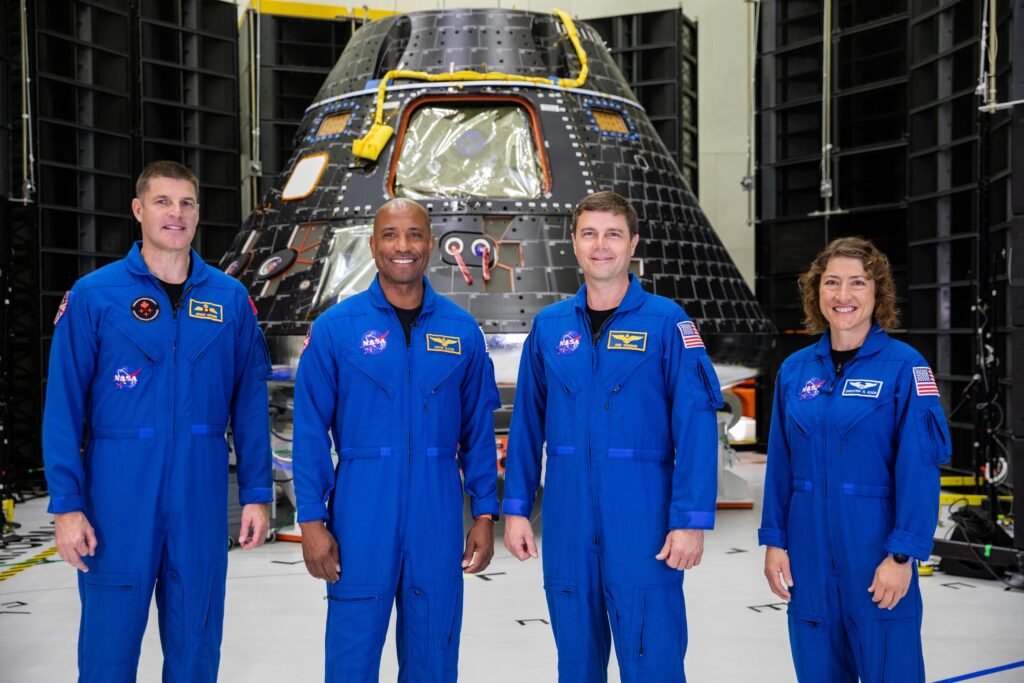
The crew—Commander Reid Wiseman, Pilot Victor Glover, and Mission Specialists Christina Koch and Jeremy Hansen of Canada—completed the ambitious lunar flyby without any major issues. NASA confirmed that all astronauts are in good health following recovery operations. The mission demonstrated the reliability of the Orion spacecraft and NASA’s Space Launch System, both of which are central to future Artemis missions.

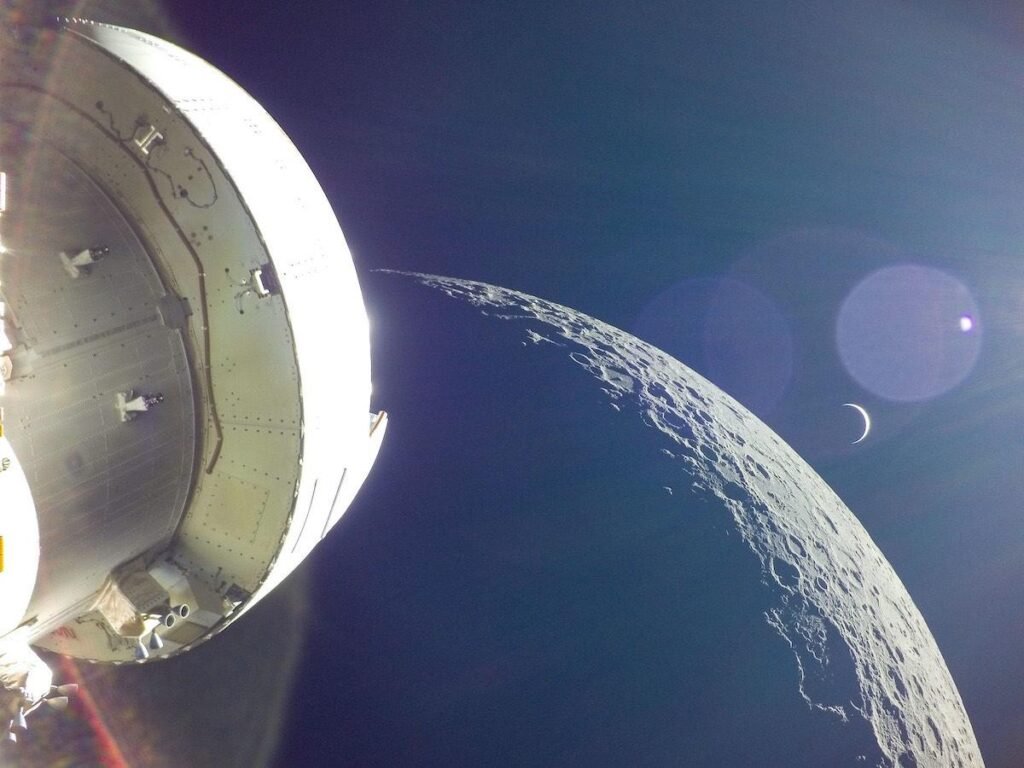
One of the most remarkable aspects of Artemis II was its journey across the Moon’s far side, a region never visible from Earth. During this phase, the crew documented a range of rare and scientifically valuable phenomena. Among them was a stunning solar eclipse observed from space, where the Moon blocked the Sun and revealed its outer corona. The astronauts also witnessed multiple meteoroid impacts on the Moon’s surface, seen as brief flashes of light in the darkness.



The mission provided breathtaking visuals of Earthrise and Earthset, offering a unique perspective of our planet from lunar orbit. In addition to these visuals, the crew captured thousands of high-resolution images of the Moon’s surface, including ancient lava plains, deep craters, and tectonic fractures. Scientists believe this data will play a crucial role in planning future landing sites and understanding the Moon’s geological history.
Artemis II is a key step in NASA’s broader goal of returning humans to the Moon. The agency is now preparing for more advanced missions, including planned crewed lunar landings as early as 2028. These missions aim not only to land astronauts but also to establish a sustainable human presence on the Moon through a permanent base camp.
Officials say the Artemis program is also designed to serve as a foundation for future missions to Mars. By testing technologies and human endurance in deep space, Artemis II has set the stage for more ambitious interplanetary exploration. NASA Associate Administrator Dr. Nicky Fox described the mission as a turning point, stating that the images and data brought back will inspire generations and expand humanity’s understanding of space.
With its successful completion, Artemis II has opened a new chapter in space exploration—bringing humans one step closer to living and working beyond Earth.