

Economic collapse, IRGC infighting, and a historic internet blackout push the Iranian regime to a breaking point as US pressure intensifies.

WASHINGTON D.C. / TEHRAN – The Iranian leadership is facing its most significant internal crisis in decades, with a prominent US think tank reporting “widening fractures” within the regime’s core. According to a specialized report from the Institute for the Study of War (ISW) released this Wednesday, the combination of a crippling global naval blockade, a record-breaking internet shutdown, and a fierce power struggle among top brass has left Tehran’s decision-making in a state of visible disarray.

The Rise of the Ultra-Hardliners
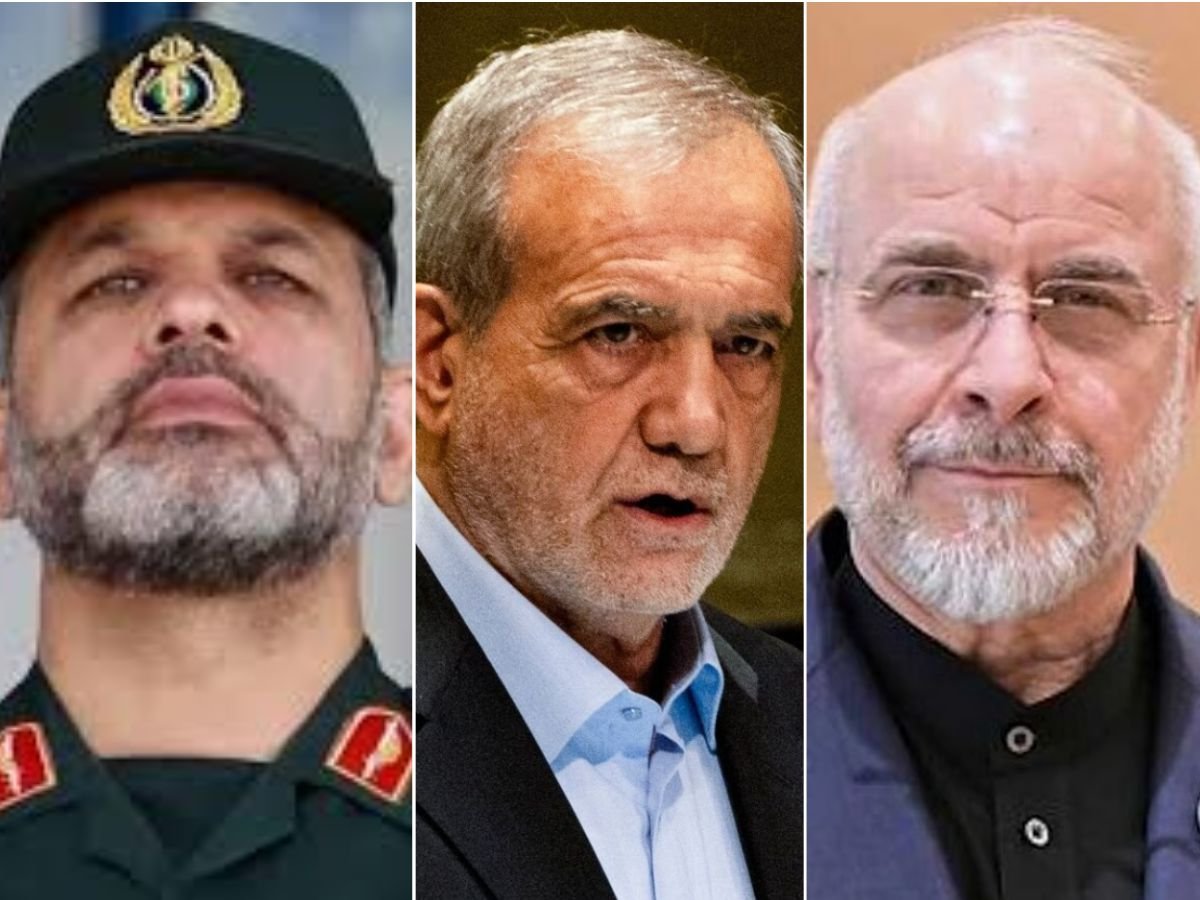
The ISW assessment highlights a dramatic shift in Tehran’s power balance. Major General Ahmad Vahidi, Commander of the Islamic Revolutionary Guard Corps (IRGC), has reportedly emerged as the dominant force, sidelining pragmatists and even traditional hardline rivals.


Internal reports suggest that Vahidi’s “inner circle” has effectively blocked more flexible negotiating positions proposed by figures like President Masoud Pezeshkian and Parliament Speaker Mohammad Bagher Ghalibaf. This “maximalist” stance was evident in Iran’s recent April 26 peace proposal, which offered no nuclear concessions and was swiftly rejected by US President Donald Trump as “insufficient.”
Paranoia and Purges within the IRGC
The once-monolithic Revolutionary Guard is reportedly reeling from internal “paranoia.” Following a series of strategic setbacks and the loss of key commanders in recent strikes, the IRGC is now plagued by mutual accusations of espionage and betrayal.
“The IRGC isn’t in control; it’s in freefall,” says defense analyst Ali K. Chishti. Reports of “loyalty tests” and the breakdown of the chain of command are becoming frequent, with some field commanders allegedly threatening defection as the pressure of the US-led blockade mounts.
A Nation in Digital Darkness
Further destabilizing the regime is the ongoing nationwide internet blackout, now entering its 60th consecutive day. This represents the longest nationwide disruption in global history.
- Economic Toll: The shutdown is estimated to be costing the Iranian economy between $70 million and $80 million per day.
- Livelihoods at Risk: Communications Minister Sattar Hashemi acknowledged that the disruption threatens the livelihoods of approximately 10 million people, primarily in the digital sales and export sectors.
- Social Unrest: The blackout, aimed at stifling mass protests driven by economic hardship, has instead accelerated unemployment and deepened public resentment.
The Global Naval Blockade
While Tehran projects a facade of “iron unity,” the reality on the water tells a different story. The US naval blockade, which President Trump has declared “global,” is successfully strangling Iran’s oil exports.
- Daily Losses: Trump claims the blockade is costing Iran $500 million daily.
- Direct Interceptions: US Central Command (CENTCOM) continues to enforce the blockade impartially, recently seizing vessels like the Touska and interdicting ships attempting to pay “illegal tolls” to the IRGC.
Conclusion: A Volatile Waiting Game
As the blockade bites and the economy collapses, the critical question remains whether the ultra-hardline faction led by Vahidi will be forced into concessions. With the US military continuing its buildup in the region and the Iranian elite increasingly divided, the “frozen conflict” remains a high-stakes gamble that could shift at any moment.