


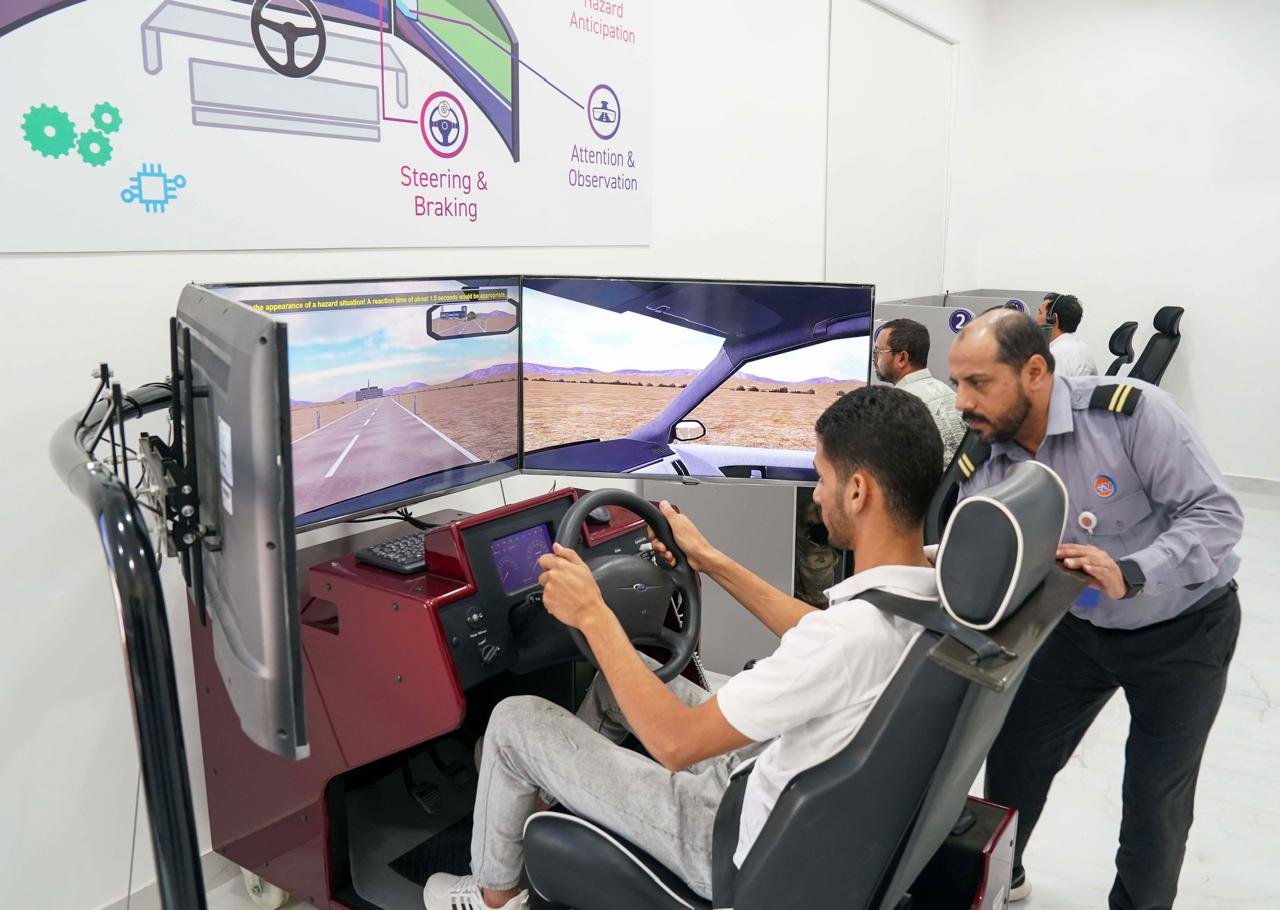
DUBAI, UAE – In a significant move to align with the rapid evolution of automotive technology, Dubai’s Roads and Transport Authority (RTA) has officially updated its light vehicle driver training curriculum. The new syllabus is designed to ensure that new drivers are fully proficient in operating modern vehicles equipped with Advanced Driver Assistance Systems (ADAS).
The initiative reflects Dubai’s broader strategy to integrate cutting-edge technology into public safety frameworks, ensuring that the next generation of motorists is prepared for the transition toward increasingly automated and intelligent transport.

Mastering Modern Tech: What’s New in the Curriculum?
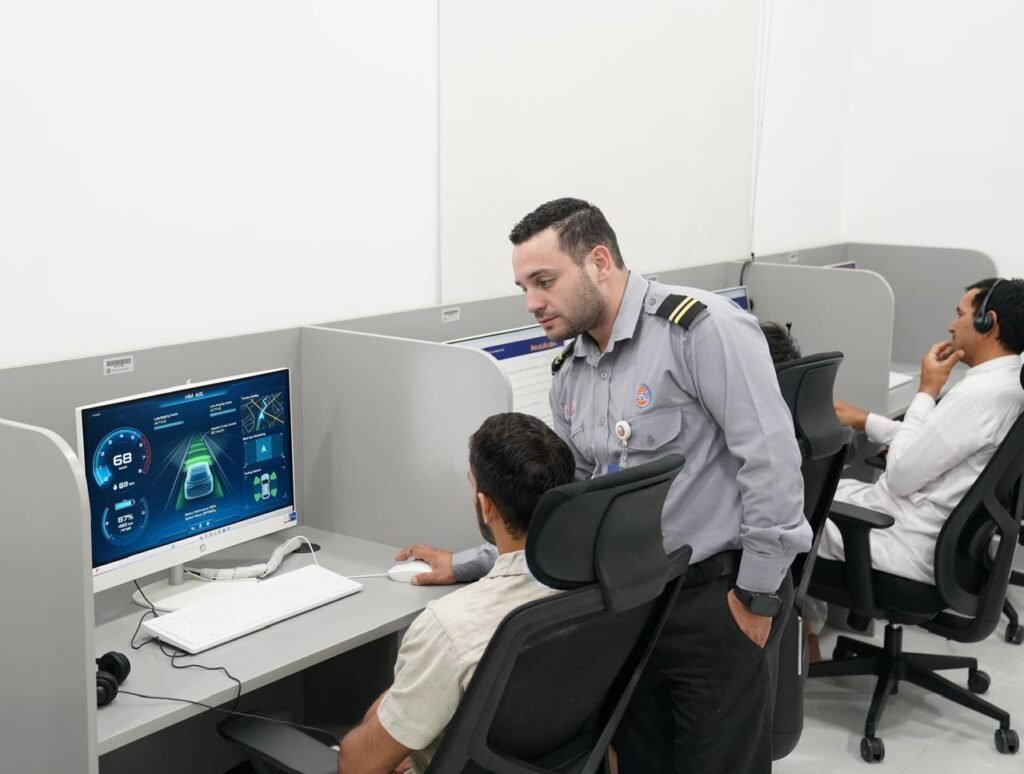
The updated training is no longer limited to basic vehicle control. Applicants seeking a light vehicle driving license will now undergo comprehensive theoretical and practical training on a suite of advanced safety features, including:


- Collision Prevention: Forward collision warnings and blind-spot monitoring.
- Lane Discipline: Lane departure warnings and active lane support systems.
- Automated Assistance: Parking assist for designated spaces and night vision systems.
- Advanced Control: Anti-lock Braking Systems (ABS), as well as conventional and adaptive cruise control.
By incorporating these technologies, the RTA aims to shift driver behavior from purely manual operation to a more sophisticated “system-oversight” role, reducing human error—the leading cause of road accidents.

Aligning with Global Safety Standards
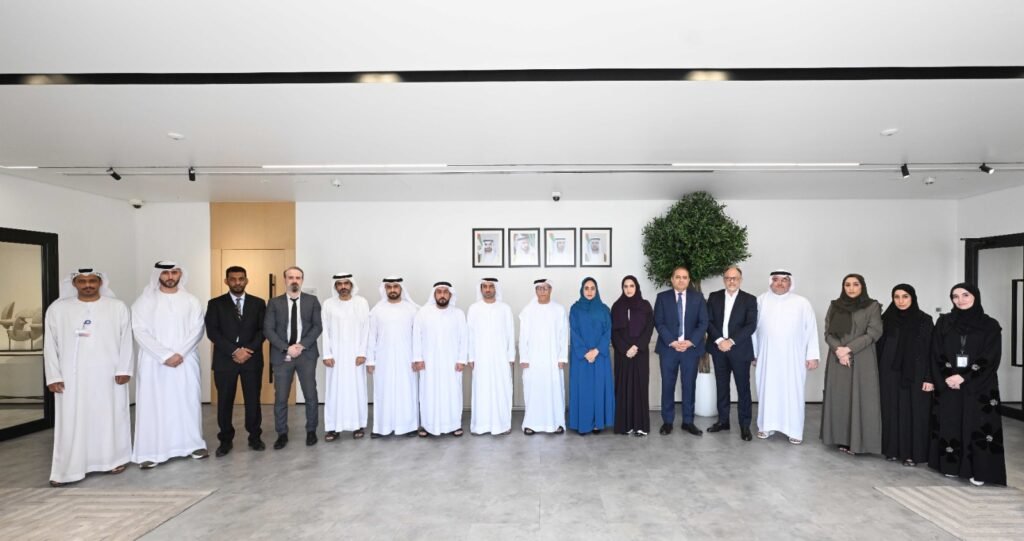
Sultan Al Akraf, Director of Drivers Licensing at the RTA, highlighted that the curriculum updates follow the rigorous international standards set by CIECA (the International Commission for Driver Testing).

“These updates form part of RTA’s commitment to implementing global best practices. Our goal is to promote safer driver behavior and drastically reduce traffic accidents by ensuring every new driver understands the ‘safety net’ modern vehicles provide,” Al Akraf stated.
The RTA has already rolled out these changes across all driving institutes in Dubai. The updates have been integrated into the official driver handbook, theoretical lectures, and practical on-road assessments.
Impact and Future Readiness
The scale of this transition is already evident. According to RTA data, more than 250,000 trainees have already benefited from the updated curriculum during its phased implementation. To support this, the RTA has conducted extensive workshops for driving instructors and updated the specifications of training vehicle fleets to match the tech found in modern showrooms.
By fostering a culture of continuous learning, the RTA is ensuring that Dubai’s roads remain among the safest in the world, even as vehicle technology undergoes its most radical transformation in a century.