


































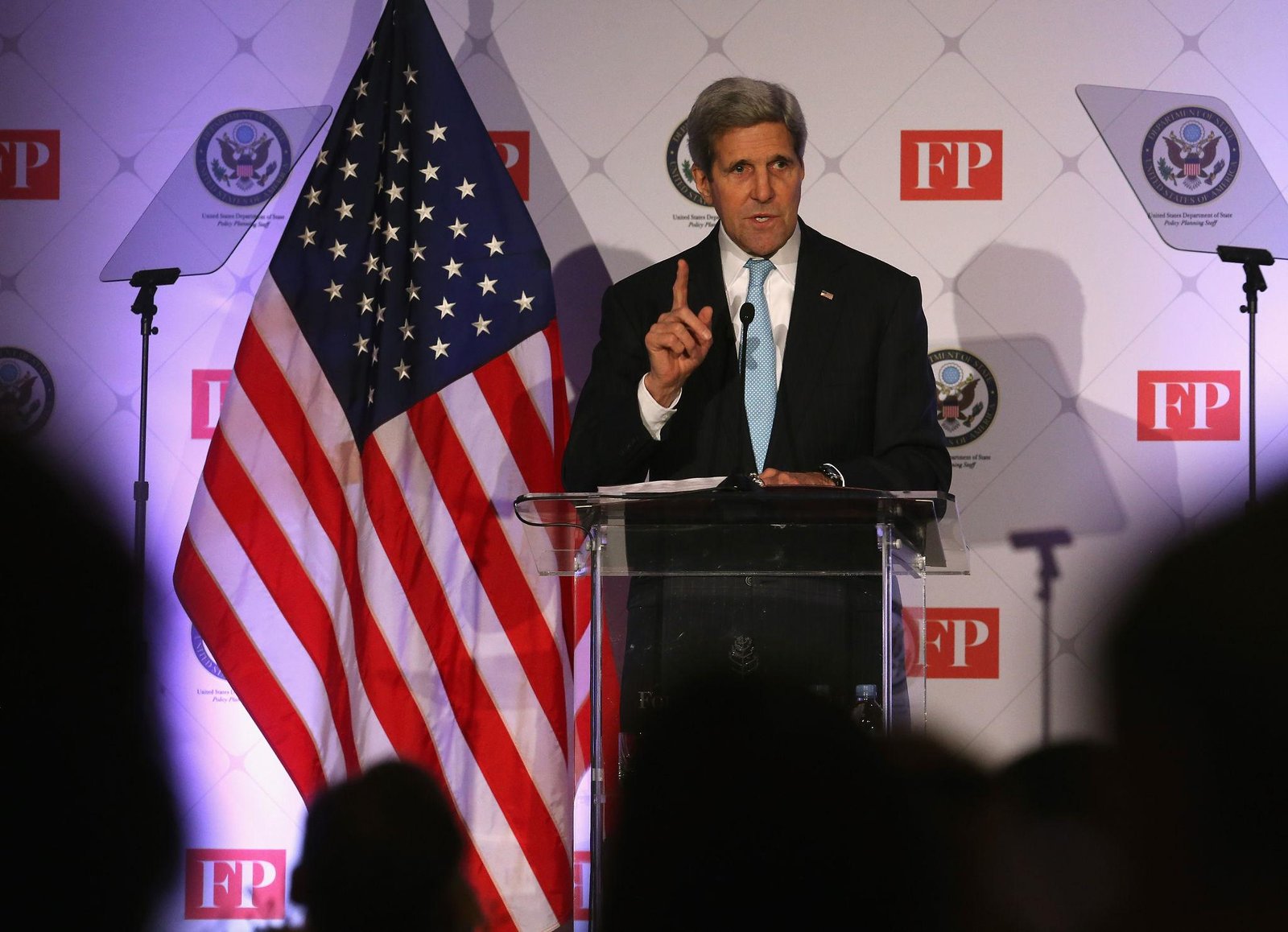

Washington / Global Desk: Former US Secretary of State John Kerry has made significant revelations regarding the ongoing Iran conflict, shedding new light on the geopolitical and economic consequences of the crisis. His remarks come at a time when the United States and Iran are engaged in delicate diplomatic efforts to stabilise the region following weeks of intense military escalation.

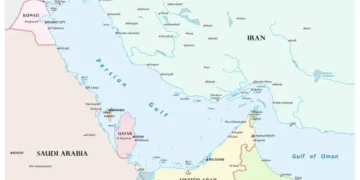
Speaking at an international forum, Kerry highlighted that the conflict has exposed the deep vulnerabilities of global dependence on fossil fuels. He stressed that the disruption caused by the war—especially in critical regions like the Strait of Hormuz—has demonstrated how energy supply chains can quickly become geopolitical pressure points.
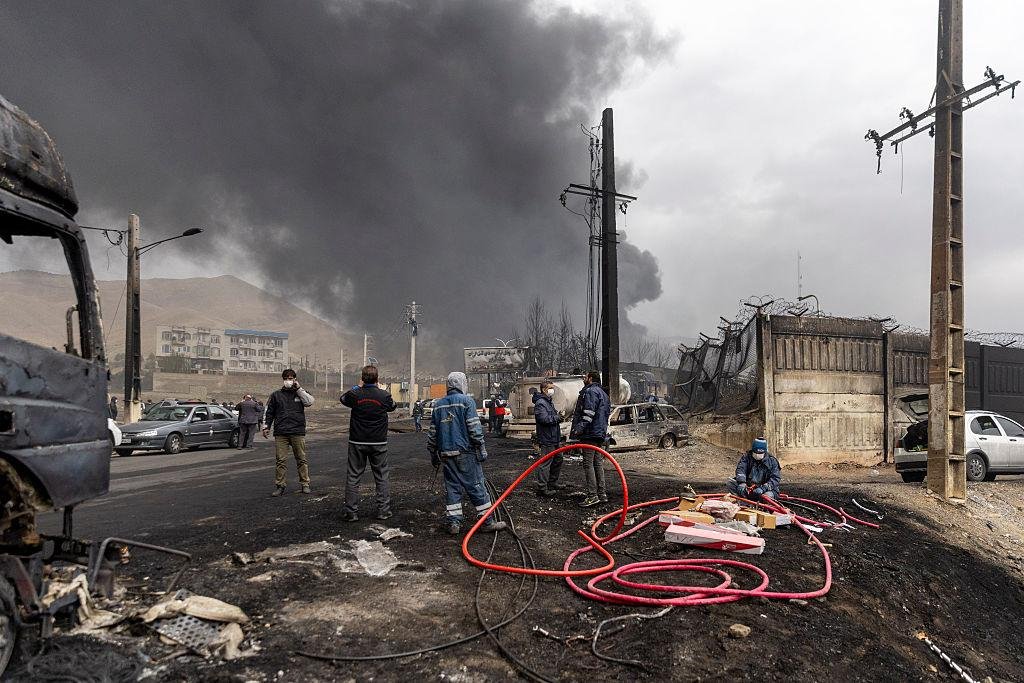
Kerry clarified that while the conflict may not have been initiated purely as an “oil war,” it has undeniably triggered a global energy shock. Oil supplies were severely affected as tankers were stranded and key routes faced uncertainty, leading to price spikes and economic instability across multiple countries.

The former US diplomat also pointed to a broader strategic lesson emerging from the crisis: the urgent need for countries to achieve energy independence. He warned that nations relying heavily on imported fossil fuels remain vulnerable to geopolitical disruptions and economic shocks, particularly in conflict-prone regions like the Middle East.
Kerry advocated for a faster transition toward renewable energy and nuclear power, arguing that these alternatives are essential not only for climate goals but also for national security. He noted that technological advancements and rising global demand—especially from sectors like artificial intelligence—are making the shift toward cleaner energy both necessary and economically viable.
The remarks come against the backdrop of the wider 2026 Iran conflict, which escalated following US and allied military strikes and Iran’s retaliatory actions across the region. The crisis has drawn in multiple countries and heightened fears of a broader regional war, even as diplomatic channels remain open.

Kerry’s comments are being seen as both a reflection on the current crisis and a warning for the future. Analysts say his observations underline how modern conflicts are increasingly intertwined with energy security, economic stability, and global supply chains.
As peace talks continue and efforts are made to maintain a fragile ceasefire, Kerry’s revelations add a new dimension to the conversation—highlighting that the long-term impact of the Iran conflict may extend far beyond the battlefield, reshaping global energy policies and strategic priorities for years to come.