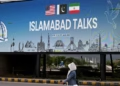


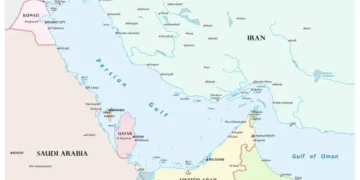




































Islamabad/Washington: High-stakes peace talks between the United States and Iran are facing growing uncertainty as a major financial dispute threatens to derail negotiations, raising fears of a renewed and potentially devastating conflict. At the centre of the deadlock is Iran’s demand for the release of nearly $120 billion (around ₹11 lakh crore) in frozen assets held under long-standing US sanctions.
Iran has made it clear that any meaningful progress in the ongoing talks in Islamabad will depend on the unfreezing of these funds. Iranian Parliament Speaker Mohammad Bagher Ghalibaf has reiterated that without access to these assets, a final agreement would be impossible. However, reports suggest that the United States has not responded positively to this demand, and experts believe Washington is unlikely to concede easily.
The negotiations come amid rising economic anxiety in the United States. A latest survey by the University of Michigan shows that consumer sentiment in April has dropped sharply, falling 10.7% compared to March—marking one of the lowest levels on record. The decline is largely attributed to fears of rising inflation, driven by volatile crude oil prices linked to the Middle East tensions. Inflation is expected to rise by 4.8% this year, which could complicate the Federal Reserve’s plans on interest rate cuts.


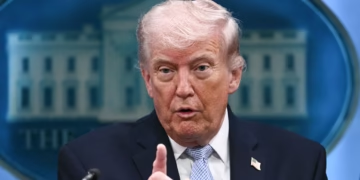
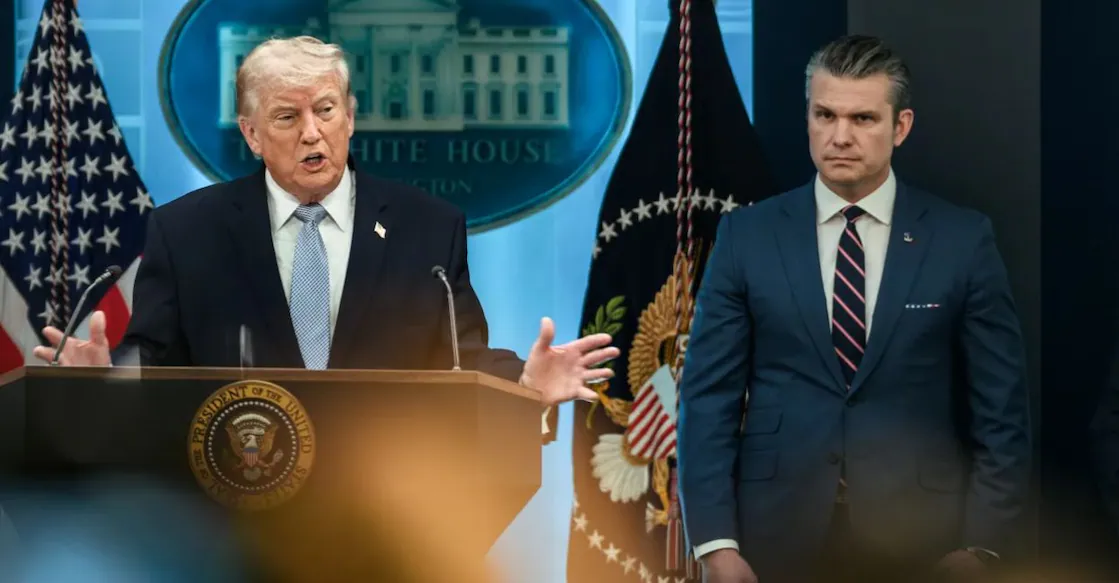
Global markets are closely watching the outcome of the Islamabad talks. Investors believe that a positive breakthrough could lead to a decline in crude oil prices starting next week, boosting stock markets and stabilising gold prices. However, the risks remain high. US President Donald Trump has warned that if negotiations fail, military preparedness will intensify, with warships being reloaded—signalling the possibility of a more aggressive phase of the conflict.
The financial markets have already shown signs of volatility. In India, optimism surrounding the temporary ceasefire helped markets post strong gains this week. The Sensex surged 919 points to 77,550, while the Nifty climbed 276 points to 24,051. Over the past five trading sessions, the indices have risen nearly 6%, marking their best weekly performance in five years. The total market capitalisation of BSE-listed companies reached ₹451.2 lakh crore, with ₹28.9 lakh crore added over the week.
Crude oil prices have been a key driver of market movements. At the beginning of the week, prices spiked to $112 per barrel, triggering sharp declines in equity markets amid fears of escalating war. However, the announcement of a ceasefire between Iran and the US led to an 18% drop in oil prices, bringing temporary relief to investors and pushing markets upward.
Looking ahead, analysts say the outcome of the Islamabad talks will be the single most important factor influencing global markets. Corporate earnings reports for the fourth quarter are also expected to shape investor sentiment in the coming days. Additionally, foreign institutional investors (FIIs), who turned net buyers for the first time since the conflict began—with purchases worth ₹672 crore—will play a crucial role in determining market direction.
Despite recent gains, uncertainty continues to dominate. If crude oil prices rise again or negotiations collapse, markets could face renewed pressure. On the other hand, a sustained decline in oil prices could support further growth in equities.

Meanwhile, US markets ended the latest trading session on a weaker note, although they recorded gains for the week overall. Investors remain cautious, balancing optimism over diplomacy with concerns about inflation and geopolitical instability.
As negotiations continue in Islamabad, the world watches closely. The resolution—or failure—of these talks could not only determine the future of US–Iran relations but also have far-reaching consequences for global markets, energy security, and economic stability.