


UN Maritime Agency reports 20,000 crew members trapped; rising fatalities and soaring energy prices spark global concern.
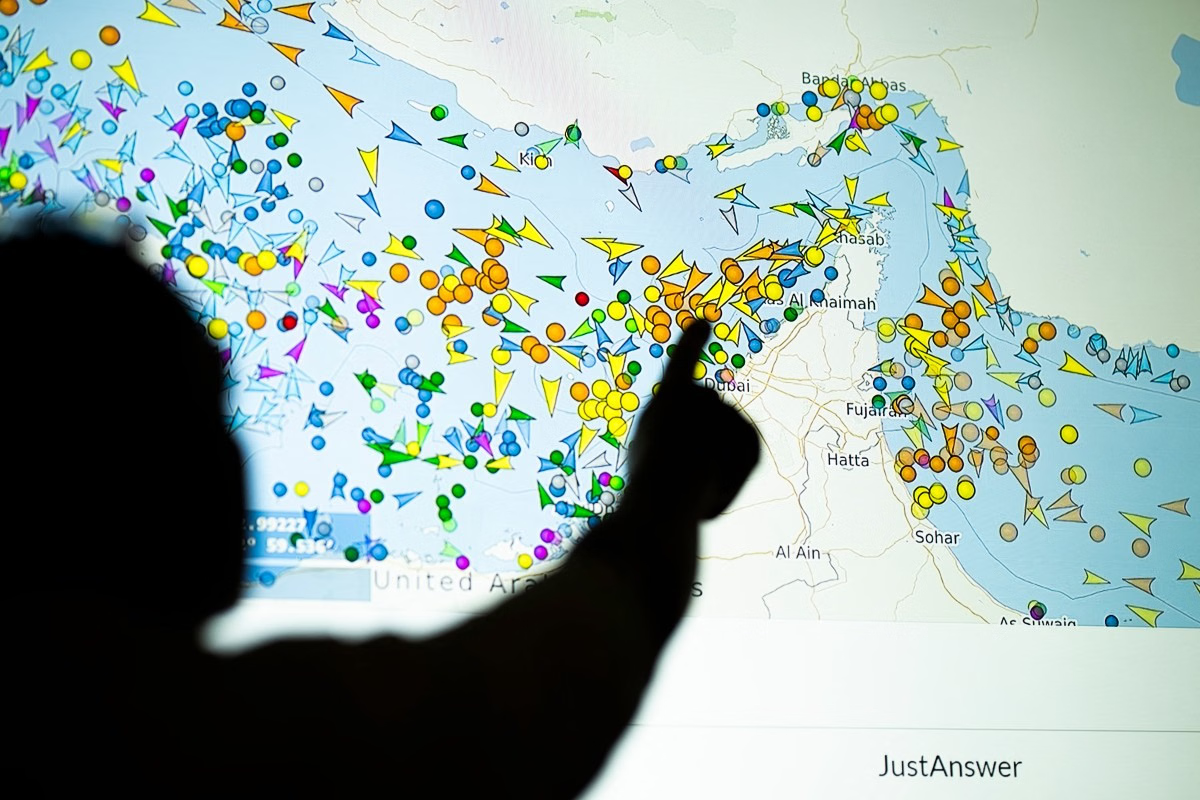
PANAMA CITY — The International Maritime Organization (IMO) has issued a dire warning regarding the deteriorating crisis in the Middle East, confirming that approximately 1,500 merchant ships and their crews are currently trapped in the Gulf. The deadlock is a direct consequence of the Iranian blockade in the Strait of Hormuz, a retaliatory measure following the outbreak of conflict involving Israel, the United States, and Iran on February 28.

Speaking at the Maritime Convention of the Americas in Panama on Thursday, IMO Secretary-General Arsenio Dominguez highlighted the staggering human cost of the geopolitical standoff.
“Right now, we have approximately 20,000 crewmen and around 1,500 ships trapped,” Dominguez stated. He emphasized that these sailors are “innocent people” caught in a crisis entirely outside their control while performing essential work that sustains 80% of global trade.


Rising Casualties and Economic Fallout
The situation has turned lethal, with the IMO chief confirming that ten sailors have lost their lives following more than 30 targeted attacks on vessels in the region. The blockade of the Strait of Hormuz—a narrow waterway through which a fifth of the world’s petroleum and gas traditionally passes—has sent shockwaves through the global economy.
- Humanitarian Impact: 20,000 crew members are currently in limbo, facing safety risks and depleting resources.
- Energy Crisis: The closure has triggered a significant surge in the global price of hydrocarbons, affecting fuel and energy costs worldwide.
- Maritime Safety: The IMO has urged shipping companies to avoid the Gulf entirely to prevent further loss of life and economic damage.
Geopolitical Deadlock
The blockade is a byproduct of the wider regional war that erupted earlier this year. While U.S. President Donald Trump initially signaled a naval operation to escort the trapped vessels and forcefully reopen the strait on Monday, the mission was reportedly called off shortly after the announcement.

Currently, diplomatic efforts appear to be at a standstill as Washington awaits a formal response from Tehran regarding proposals to end the hostilities and restore free navigation through the vital trade route.
For the global community, and particularly for the hundreds of thousands of expatriates in the Gulf region, the continued closure of the Strait represents one of the most significant threats to maritime security and economic stability in recent decades.