

State-owned oil firms end a four-year hiatus on price revisions as the West Asia crisis pushes global crude costs to critical levels.
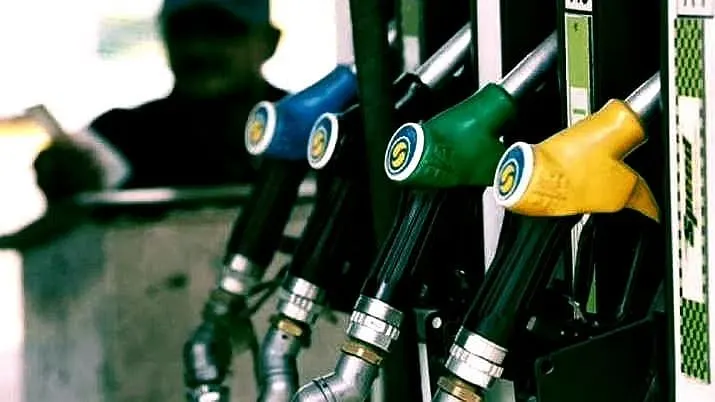
NEW DELHI — In a move that is expected to impact household budgets across the country, state-owned oil marketing companies (OMCs) on Friday hiked the prices of petrol and diesel by ₹3 per litre each. This adjustment marks the first significant increase in nearly four years, breaking a long-standing price freeze maintained to shield consumers from global market volatility.
According to industry sources, the revised rates took effect at 6:00 AM on May 15, 2026. In the national capital, Delhi, the price of petrol rose from ₹94.77 to ₹97.77 per litre, while diesel increased from ₹87.67 to ₹90.67 per litre. Similar hikes have been reported in other major metros, including Mumbai, Kolkata, and Chennai, with slight variations due to local taxes (VAT).

Global Crude Crisis and Financial Pressure
The price revision is a direct consequence of the escalating conflict in West Asia, which has severely disrupted global energy supply chains. International crude oil prices, which averaged approximately $69 per barrel in February, have recently surged to over $113–$114 per barrel.


Industry insiders suggest that while the ₹3 hike provides some relief to oil firms, it covers only a fraction of the actual rise in input costs. State-run giants—Indian Oil Corporation (IOC), Bharat Petroleum (BPCL), and Hindustan Petroleum (HPCL)—had previously abandoned daily price revisions in April 2022 to absorb the shock of the Russia-Ukraine war. However, with under-recoveries mounting, the current price levels had become “financially unsustainable.”

Domestic Impact and Government Response
The hike follows a period of remarkable price stability. Aside from a symbolic ₹2 reduction in March 2024 ahead of the Lok Sabha elections, fuel rates had remained largely unchanged for years.
Prime Minister Narendra Modi recently appealed to the nation to adopt energy-saving measures to safeguard foreign exchange reserves. Government officials, including Union Petroleum Minister Hardeep Singh Puri, have indicated that while they remain committed to managing the economic impact, further adjustments may be unavoidable if global uncertainties persist.
“The increase is roughly a tenth of the desired hike needed to fully account for the surge in global energy rates since the start of the West Asia conflict,” noted an industry analyst.