


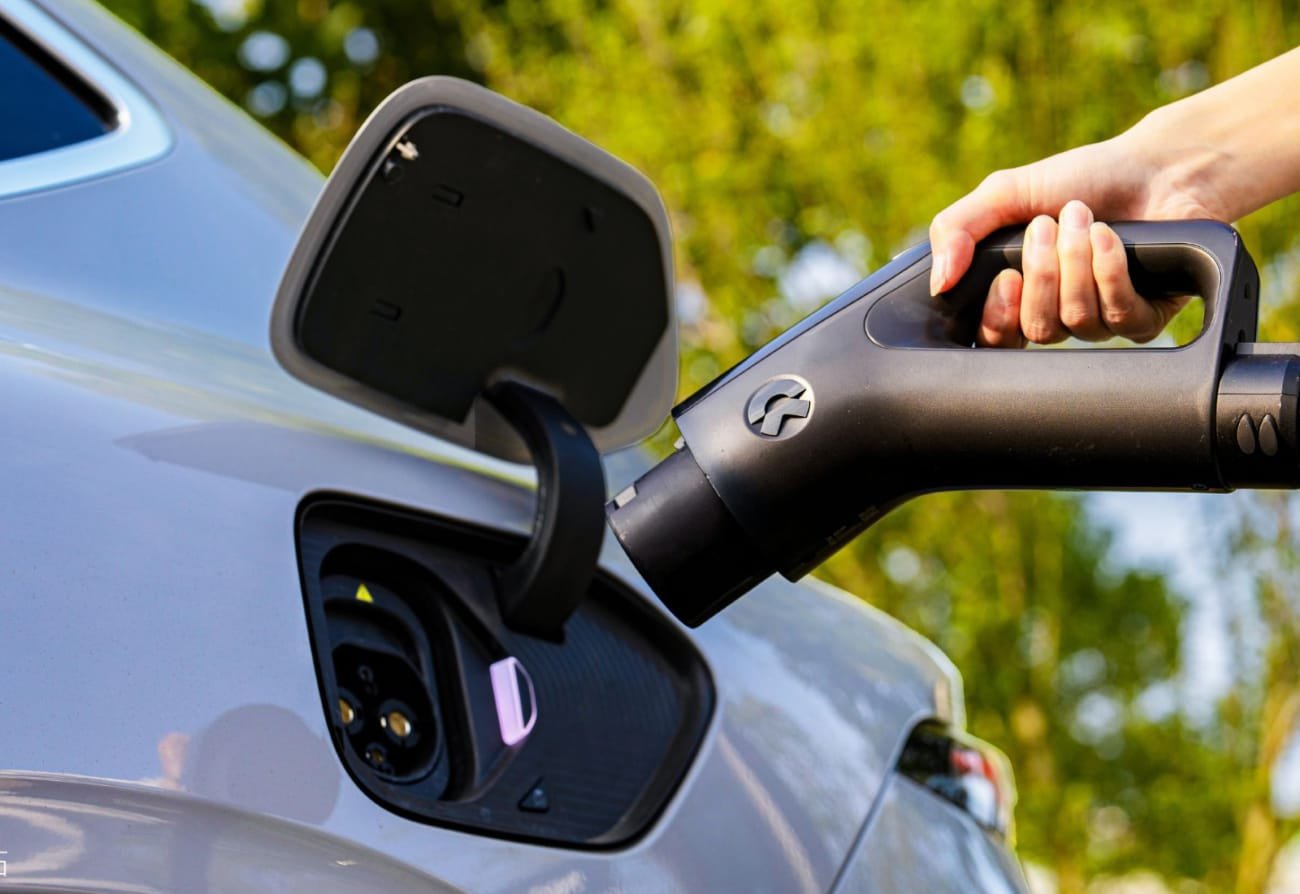
Abu Dhabi, UAE — April 2026:Rising fuel prices in the United Arab Emirates are accelerating the shift toward electric mobility, with a new analysis from NIO MENA revealing that electric vehicles (EVs) can reduce running costs by as much as 84% compared to petrol-powered cars.
With Super 98 petrol priced at AED 3.39 per litre and Special 95 at AED 3.28, the cost of operating conventional vehicles has increased significantly. According to the study, a petrol vehicle averaging 12 km per litre costs approximately AED 275–280 to travel 1,000 km.
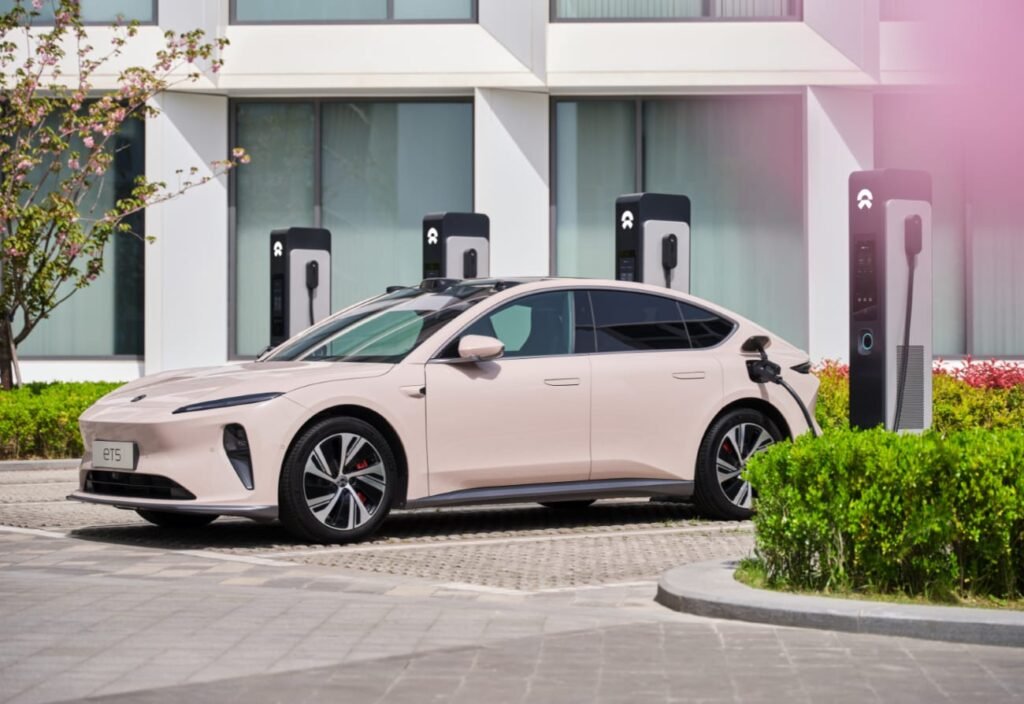
In contrast, an EV charged at home can cover the same distance for just AED 45, delivering savings of more than AED 230 per 1,000 km.


Cost Comparison Highlights
- Petrol (Super 98): AED 280 per 1,000 km
- EV (Home Charging): AED 45 (84% savings)
- EV (Public AC Charging): AED 120 (57% savings)
- EV (DC Fast Charging): AED 180 (36% savings)
Even when using public charging infrastructure, EVs maintain a clear economic advantage. While AC public charging costs around AED 120 per 1,000 km, DC fast charging—the most expensive option—still offers noticeable savings compared to petrol vehicles.

Massive Savings for Fleet Operators
The financial impact becomes even more substantial at scale. For fleet operators managing large vehicle networks, the cost advantages of EVs compound rapidly.
A fleet vehicle covering 30,000 km annually can generate savings ranging between:
AED 2,700 to AED 6,900 per vehicle per year
depending on the charging method used. Home or depot charging provides the highest returns, making EV adoption particularly attractive for logistics, delivery, and corporate transport sectors.
Beyond fuel savings, EVs also benefit from lower maintenance costs, thanks to fewer moving parts and the absence of oil changes.
Policy Support Driving Adoption
The UAE’s push toward sustainable mobility is further strengthening the case for EVs. Government initiatives such as the Net Zero by 2050 Strategic Initiative are encouraging both private and corporate sectors to transition to cleaner transportation options.
Simultaneously, EV infrastructure is expanding rapidly across Abu Dhabi, Dubai, and other emirates. The growing network of public charging stations is helping reduce range anxiety and enabling EV usage across diverse applications—from last-mile delivery to executive mobility.
“A Financial Decision, Not Just Sustainability”
Commenting on the findings, Mohammad Maktari, CEO of NIO MENA, said:
“When running an electric vehicle can save you up to 84% compared to petrol, this is no longer a debate about sustainability preferences. It is a bottom-line decision.”
He added that the UAE’s mature policy environment and charging infrastructure have made EV adoption a financially smarter choice, particularly for large-scale fleet operators.
Growing Momentum for Electric Mobility
As fuel prices show no signs of easing and EV technology continues to improve, the transition to electric mobility is gaining momentum across the UAE.
With significant cost advantages, supportive government policies, and expanding infrastructure, EVs are no longer just an environmentally conscious option—they are becoming a strategic economic decision for both individuals and businesses.

About NIO MENA
NIO MENA is the Middle East and North Africa division of NIO, a global leader in premium smart electric vehicles. Established in partnership with CYVN Holdings, the company aims to drive innovation and accelerate the adoption of sustainable mobility across the region.
Headquartered in Abu Dhabi since October 2024, NIO MENA is expanding its footprint across the region, bringing advanced EV technologies and services to new markets.
Founded in 2014, NIO operates globally with R&D and manufacturing facilities across China, Europe, and beyond, and has built a portfolio of over 9,900 patents as of December 2025.