


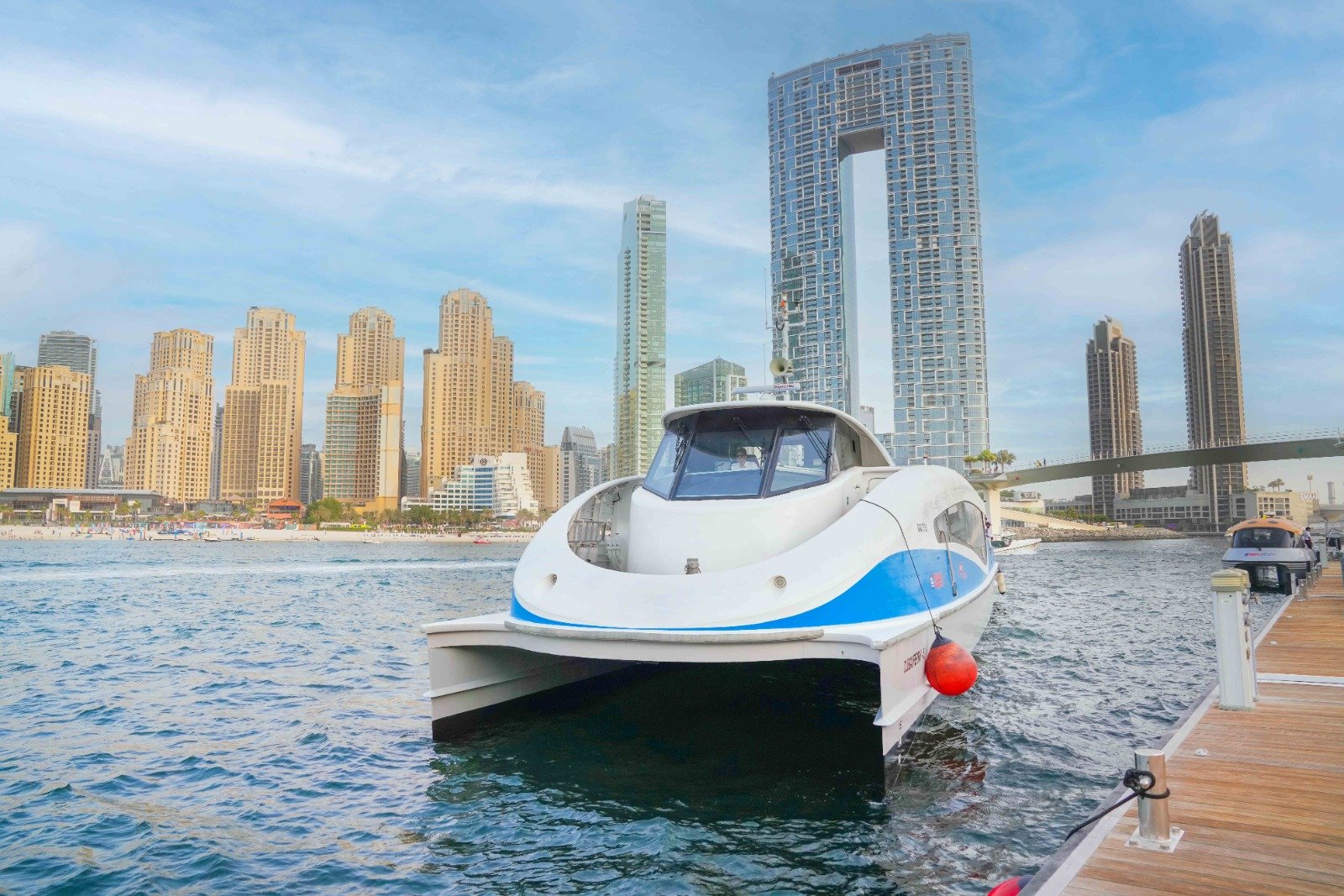

Advanced predictive analytics and in-house algorithms to drive flexible summer scheduling starting July 2026
DUBAI — In a major step toward smart urban mobility, Dubai’s Roads and Transport Authority (RTA) has announced the integration of artificial intelligence and predictive analytics to optimize its Seasonal Network initiative for marine transport services. Scheduled to go live in July 2026, the tech-driven system will allow the marine network to dynamically adapt to shifting passenger volumes during peak seasons, public holidays, and major events across the emirate.
The initiative underlines the RTA’s commitment to building an agile public transport ecosystem that scales efficiently alongside Dubai’s rapid population and tourism growth. By embedding AI into its operational blueprint, the authority aims to ensure seamless integration between marine transit and the city’s broader multimodal transport grid.



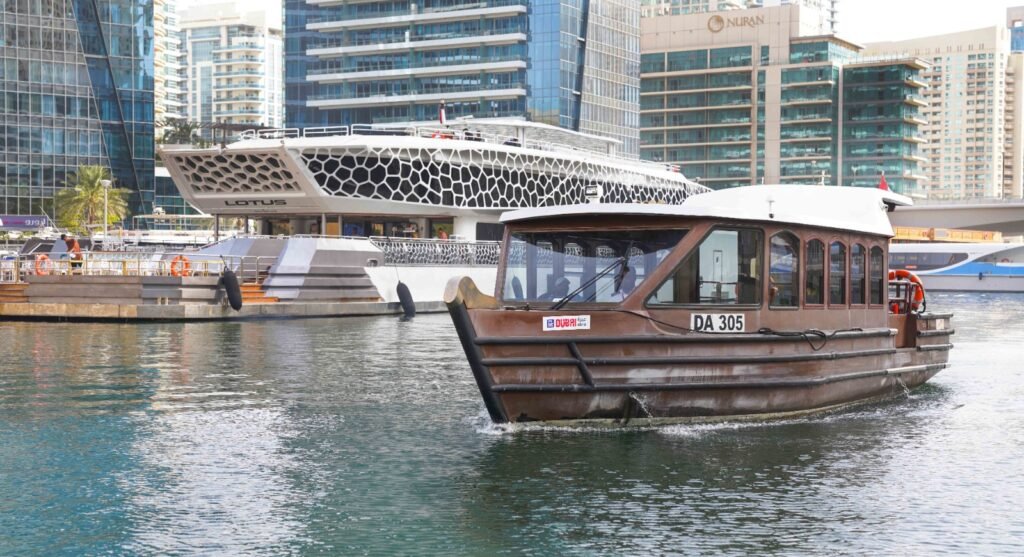
Data-Driven Mobility for the Summer Season
The roll-out of the upcoming summer season operating plan is anchored by a massive, integrated big-data repository. This system continuously processes granular historical metrics, including precise passenger headcounts, revenue streams, and vessel occupancy rates, to generate highly accurate demand forecasts.



Khalaf Belghuzooz Al Zarooni, Director of Marine Transport at the RTA’s Public Transport Agency, highlighted the custom-built nature of the technology:
“The Seasonal Network was developed using advanced in-house algorithms and AI-powered analytical and predictive tools capable of processing and analysing big data from multiple sources. These tools support flexible and dynamic operating plans for the marine transport network. They also help forecast future demand and apply season-specific operating models, striking a balance between meeting customers’ needs and enhancing operational efficiency.”
Balancing Human Insights with Technical Precision
A core pillar of the project is its dual focus on machine intelligence and human feedback. Rather than relying solely on automated data loops, the RTA explicitly factors consumer preferences into its service architecture by analyzing passenger suggestions and feedback submitted via official communication channels.
According to Al Zarooni, the development methodology leans heavily on predictive analytics to evaluate how changing external variables impact transit schedules and route intervals.
“The model contributes to improving network efficiency and achieving optimal performance levels in line with precise schedules and international standards,” Al Zarooni added, noting that the simulation models are uniquely capable of mapping out complex customer behavior patterns.
By managing each operating season independently, the RTA ensures that schedule adjustments occur seamlessly without disrupting baseline passenger routines. This strategic shift not only safeguards operational and financial sustainability but also solidifies Dubai’s global standing as a pioneer in adopting innovative, smart-city transport solutions.