

Needle-Free Options Offer Greater Accessibility but Demand Strict Adherence and Medical Oversight
DUBAI — The landscape of chronic weight management and type 2 diabetes treatment in the United Arab Emirates is undergoing a significant transformation. The introduction and growing availability of oral GLP-1 (glucagon-like peptide-1) medications are providing patients with long-awaited, needle-free alternatives to traditional injectable therapies. However, medical experts caution that while these oral options remove the psychological barrier of injections, they introduce distinct lifestyle demands and require strict medical supervision.
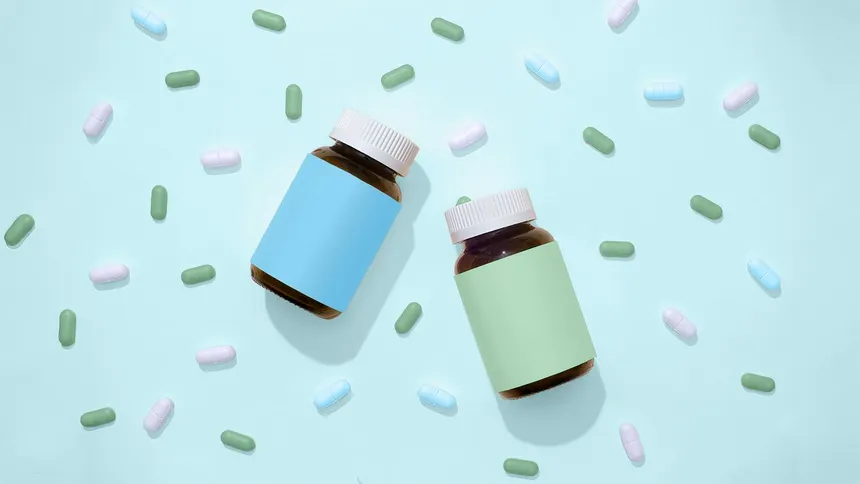
The UAE’s healthcare sector recently approved Foundayo, a once-daily oral GLP-1 option specifically indicated for chronic weight management. This follows the established presence of Rybelsus, a prescription-only oral semaglutide tablet utilized for adults managing type 2 diabetes. Together, these pharmaceutical advancements are reshaping clinical conversations around obesity, metabolic health, and patient compliance across the region.

For a substantial segment of the population, the primary hurdle to initiating metabolic treatment has not been clinical eligibility, but needle phobia. Often dismissed as a minor inconvenience, severe needle anxiety frequently leads patients to delay essential interventions, avoid diagnostic blood tests, or leave vital prescriptions unfilled. The arrival of oral variants effectively lowers this entry barrier, transforming a daunting medical procedure into a familiar daily routine.


“For patients with needle phobia, the arrival of oral GLP-1 weight-loss medicines is not a shortcut. It is an opening,” notes Frederik Cyrus Roeder, a Dubai-based health economist.
Despite the convenience of a pill, healthcare professionals emphasize that oral treatments are not an easier path, as they trade the physical discomfort of an injection for the logistical challenges of daily adherence. Traditional injectable GLP-1 therapies typically require a single weekly commitment. In contrast, oral alternatives demand unwavering daily discipline, which must be maintained through travel, shifting work schedules, and weekend routines.

Furthermore, specific oral formulations carry stringent administrative protocols. Oral semaglutide, for instance, must be ingested on an empty stomach with a minimal amount of plain water, requiring patients to fast entirely—foregoing morning coffee, breakfast, and other medications—for a designated period afterward.
In the fast-paced morning routines typical of Gulf residents, such restrictions require deliberate planning. While newer options like Foundayo offer greater flexibility by mitigating some food and water restrictions, the fundamental challenge of daily compliance remains. Missing multiple daily doses over a short period can significantly compromise therapeutic efficacy compared to delaying a weekly injection by a single day.
Ultimately, medical experts stress that oral GLP-1 medications are serious prescription therapies rather than cosmetic shortcuts. They achieve optimal outcomes only when integrated into a comprehensive metabolic framework that includes nutritional counseling, physical activity, adequate sleep, and routine clinical evaluation. The expansion of the UAE’s pharmaceutical portfolio does not signal the obsolescence of injectables; rather, it introduces a highly individualized approach to care, ensuring that the selected treatment aligns precisely with the patient’s medical needs and lifestyle.