

Fuel Costs Surge as Middle East Conflict Disrupts Energy Imports; Restaurants and Aviation Sector Braced for Impact
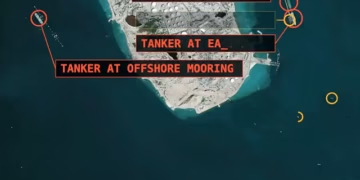
NEW DELHI: India on Friday announced a significant hike in the prices of commercial liquefied petroleum gas (LPG) and aviation turbine fuel (ATF). The price revision, implemented by state-run energy giant Indian Oil Corporation Limited (IOCL), comes as a direct consequence of escalating supply chain disruptions triggered by the ongoing conflict in the Middle East.
Massive Jump in Commercial Gas Rates
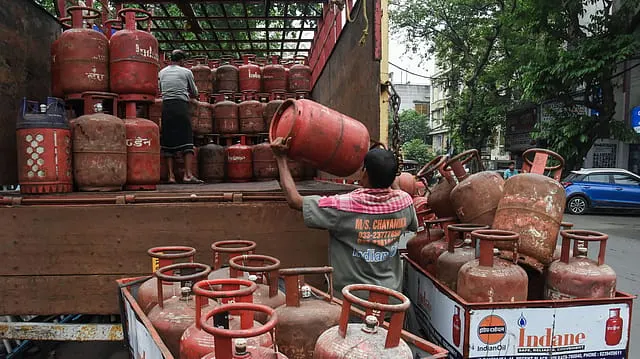
The most striking adjustment is seen in the commercial LPG segment. According to the IOCL price chart, the cost of a 19-kilogram cylinder—primarily used by hotels, restaurants, and industries—has been increased by ₹993 ($10.50). In the capital city of New Delhi, this represents a staggering 48% rise in costs. Due to varying local taxes and levies, the final retail price will fluctuate across different states.

While the government has moved to prioritize and protect domestic household supplies to ensure kitchens remain functional, the commercial sector is facing the brunt of the volatility. Many small-scale manufacturers and eateries, already struggling with operational costs during the war, may be forced to scale back further or pass the costs on to consumers.



Aviation and Energy Dependency
The aviation sector is also feeling the pinch. IOCL confirmed that the price of jet fuel for international airline operations has been “adjusted upward,” with Aviation Turbine Fuel (ATF) seeing an approximate 5% increase in Delhi. This hike is expected to pressure airline margins and could potentially lead to higher international airfares.
India’s vulnerability stems from its massive energy dependency; the nation imports roughly 60% of its LPG requirements. With imports being hampered since the regional conflict began in late February, the government is walking a tightrope between maintaining essential supplies and managing skyrocketing global procurement costs.
Official Stance
Despite the sharp upward revisions, the Indian government has maintained that there is no overall fuel shortage within the country. The focus remains on ensuring that the “vast section of the population” using LPG for domestic cooking remains insulated from the worst of the supply shocks, even as the industrial and aviation sectors navigate these record-high price adjustments.