

In a move to transform the urban landscape, Dubai Municipality begins a massive planting drive to line streets and parks with vibrant, heat-tolerant Flame Trees following directives from the Crown Prince.
DUBAI: The streets and parks of Dubai are set to undergo a dramatic floral transformation this summer. Following the directives of His Highness Sheikh Hamdan bin Mohammed bin Rashid Al Maktoum, Crown Prince of Dubai, Deputy Prime Minister, and Minister of Defence, Dubai Municipality has launched an extensive city-wide initiative to plant the iconic Flame Tree across the emirate.
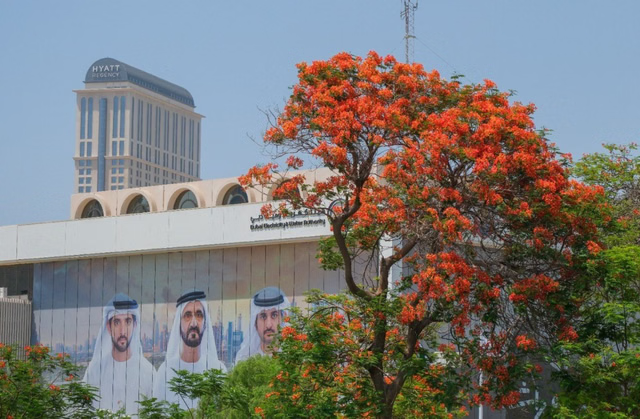
The campaign targets residential areas, public parks, vital intersections, and community majlises, aiming to enhance the city’s aesthetic appeal while providing much-needed natural shade during the peak summer months.



The ‘Summer Landmark’ of Dubai
The Flame Tree, scientifically known as Delonix regia, is famed for its sweeping canopy and vivid orange-red blossoms. The timing of the drive is strategic; the tree typically begins its blooming season in late April and remains in full flower through July.
Announcing the initiative on his official X (formerly Twitter) account, Sheikh Hamdan shared a poetic tribute to the seasonal bloom: “In Dubai, the flame tree blooms in the summer to renew life within our homes, our streets and gardens. And with it blooms a city that knows nothing but life and beauty.”

A Sustainable Choice for the Desert Climate
The choice of the Flame Tree is rooted in its remarkable resilience. Perfectly suited for the UAE’s environment, the tree:
- Thrives in Heat: Requires 6 to 8 hours of direct sunlight daily.
- Drought Tolerant: Easily withstands the long, arid summer months.
- Generous Shade: Grows 9 to 12 metres tall with a spread of up to 15 metres.
- Longevity: With a lifespan of 40 to 60 years, the current planting drive is an investment for future generations.
Green Vision 2026
This initiative is a significant component of Dubai’s broader urban sustainability goals. To date, over 50,000 Flame trees have already been integrated into the city’s green landscape. By expanding the green cover, the municipality aims to reduce the “urban heat island” effect, making public spaces more liveable and environmentally friendly year-round.
This beautification project follows similar greening successes in the region, including the recent planting of nearly 230,000 flowers and shrubs in Dibba Al-Hisn, reflecting a nationwide commitment to sustainable urban development and biodiversity.