

With the UAE airspace fully operational and regional travel warnings lifted, ATM 2026 at DWTC is set to unite the international travel sector under a future-focused ‘Travel 2040’ vision.
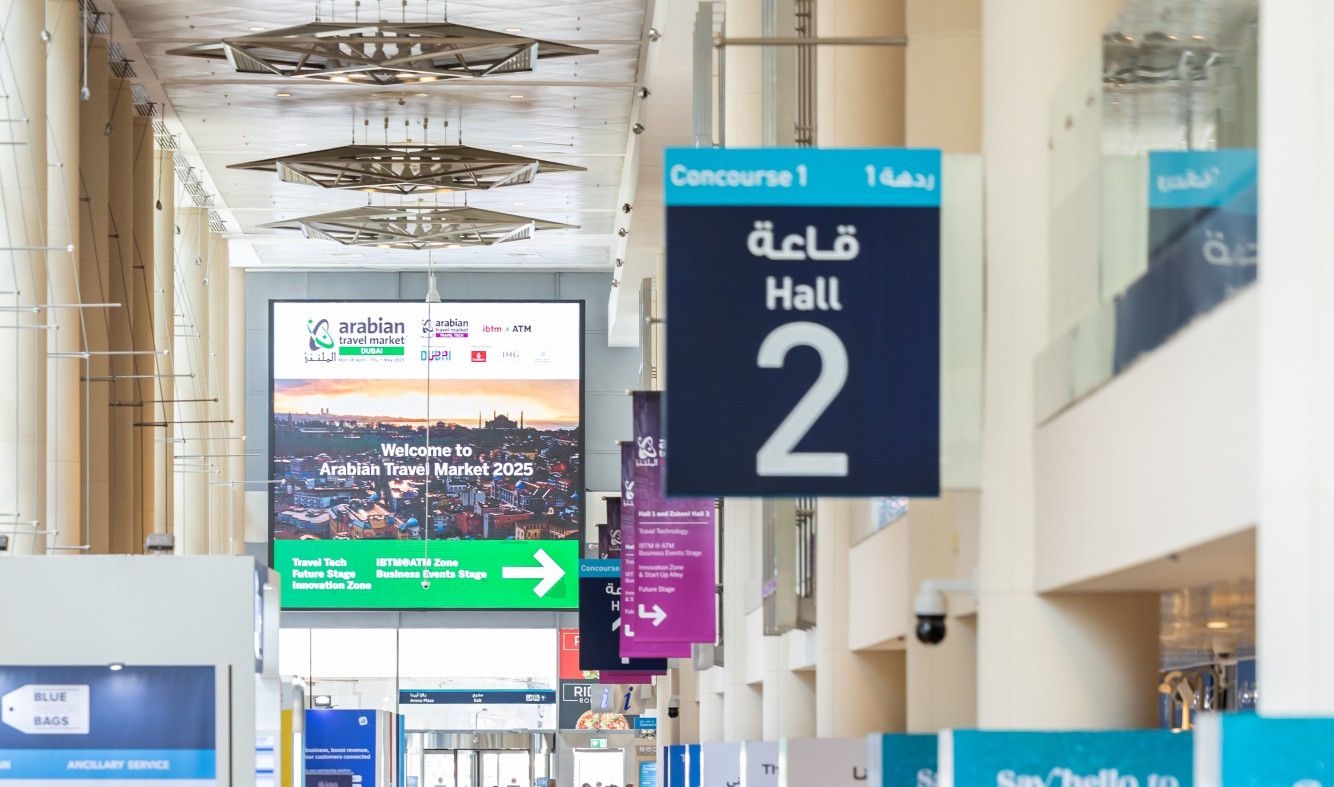
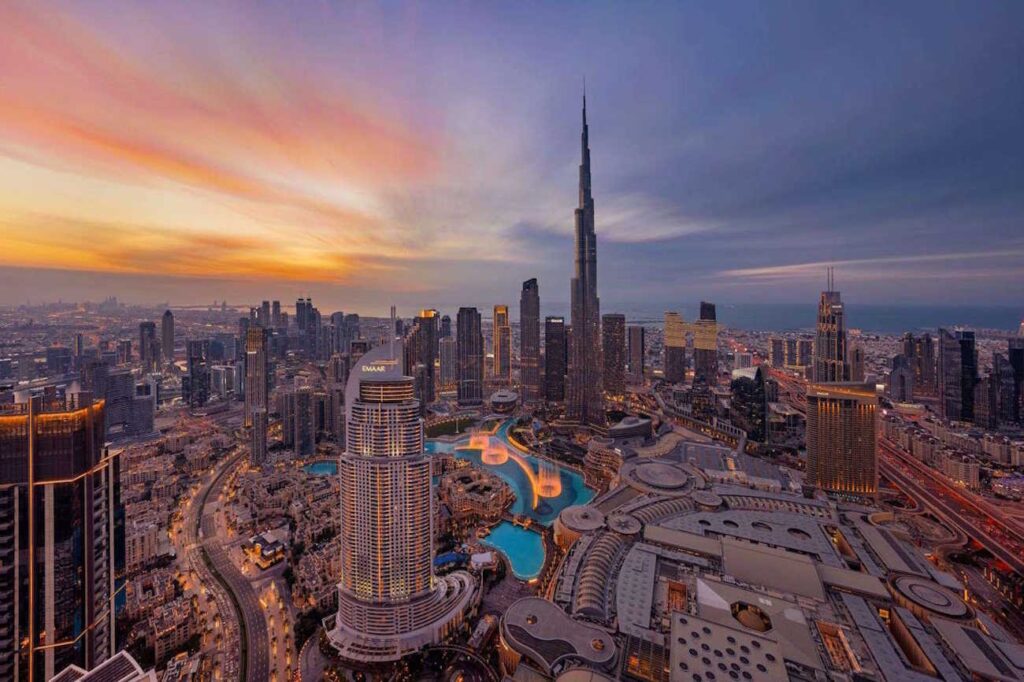
DUBAI: The Arabian Travel Market (ATM) 2026 has officially announced its rescheduled dates, locking in September 14–17, 2026, at the Dubai World Trade Centre (DWTC). The strategic shift to September reflects a collaborative, measured approach aimed at providing maximum flexibility and confidence to global exhibitors, buyers, and partners. The event arrives at a critical juncture, spotlighting Dubai’s robust operational resilience, advanced infrastructure, and unwavering global connectivity as the international travel and hospitality sectors successfully navigate evolving market conditions.



Organized by RX Global, the 33rd edition of ATM is expanding rapidly, tracking a 16% year-on-year growth and preparing to host over 55,000 travel professionals from 166 countries. Under the central theme “Travel 2040: Driving New Frontiers Through Innovation and Technology,” the four-day exhibition and conference will dedicate significant focus to crisis preparedness, destination resilience, and long-term sustainable growth strategies.



“We appreciate the move to September means change for everyone,” said Danielle Curtis, Regional Portfolio Director – UAE, RX Global. “However, ATM’s role as a vital platform for the travel and tourism community to reconnect, strengthen partnerships and drive meaningful dialogue at a time when industry collaboration is needed most, is a key priority. Supported by Dubai’s world-class infrastructure and strong public-private sector coordination, ATM 2026 remains firmly positioned to support long-term recovery.”
This resilience is heavily backed by the UAE government’s strategic interventions, including an AED 2.5 billion economic stimulus package alongside strict public safety legislations. Key aviation indicators signal a robust rebound; the UAE fully resumed comprehensive air traffic operations on May 2, with regional neighbors Qatar, Bahrain, and Kuwait similarly opening their airspaces. Flagship carrier Emirates has restored 96% of its global network, operating to 138 destinations, while Etihad Airways, flydubai, and Qatar Airways steadily scale up their weekly schedules.
Crucially, international confidence has received a major boost. The United Kingdom has lifted its travel warning to the UAE, while Australia has downgraded its travel advice for several Middle Eastern destinations, signaling regional stability and unlocking a surge in international travel demand. Data from official research partner STR confirms this positive trajectory, showcasing stable hotel occupancy rates across major GCC markets driven by robust domestic demand and consistent operations.
Hoor Al Khaja, Senior Vice President, International Operations at Dubai Corporation for Tourism and Commerce Marketing (DCTCM), emphasized the city’s readiness: “Dubai’s approach has always been rooted in long-term planning, agility, and strong collaboration. Throughout recent regional developments, the city has remained open, operational, and welcoming, reinforcing the trust placed in Dubai by travellers and international partners worldwide.”
The event’s comprehensive conference schedule will feature research-led sessions from industry giants such as Tourism Economics, GSIQ, ICCA, and Euromonitor International across the Global Stage, Future Stage, and Experience Hub. Additionally, the co-located ATM Travel Tech event will span two dedicated halls hosting over 180 exhibitors, showcasing an 850m² Tech & Innovation Hub packed with cutting-edge advancements in Artificial Intelligence (AI), Virtual Reality (VR), and green fintech.
Driven by its visionary leadership, Dubai has systematically decoupled its tourism economy from geopolitical vulnerabilities through massive economic stimulus and cross-sector public-private collaboration. According to data from Euromonitor International, global travel spending surged to record heights over the past year, outpacing overall GDP growth in multiple markets. Travel has firmly established itself as an essential, protected luxury for global consumers, ensuring that hubs with superior connectivity and proactive governance—like the UAE—remain the primary beneficiaries of international tourism demands.