


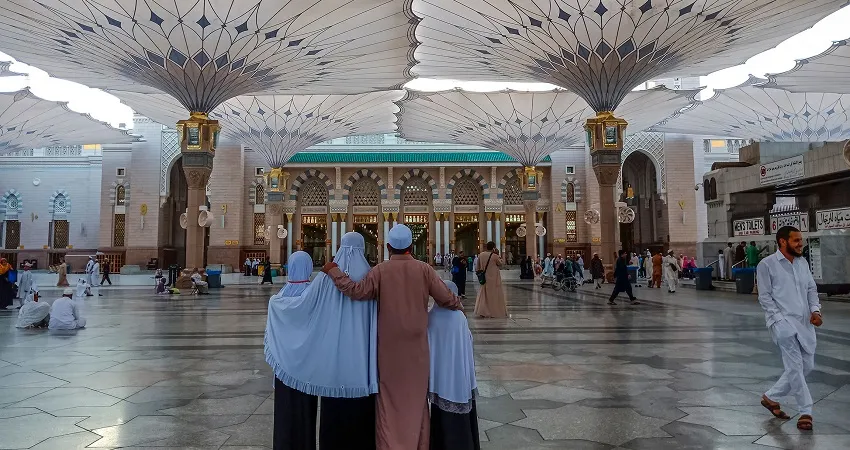
Interior Ministry intensifies crackdown on permit-less pilgrims to ensure safety and security during the upcoming season.
RIYADH – In a decisive move to streamline the upcoming Hajj season and ensure the safety of millions of pilgrims, the Saudi Arabian Ministry of Interior has announced a stringent set of penalties for those attempting to perform the pilgrimage without a valid permit. Individuals found violating the regulations face immediate fines of up to SR20,000, followed by deportation and a decade-long re-entry ban.

The Ministry confirmed that the heightened enforcement period, which commenced on April 18, is scheduled to remain in effect until May 31. This proactive measure is part of the Kingdom’s broader strategy to regulate the flow of worshippers and maintain the high security standards required for one of the world’s largest religious gatherings.
Zero Tolerance for Violations
According to the official statement, the penalties apply to both citizens and residents who attempt to enter holy sites without the requisite legal documentation. For expatriates living in the Kingdom, the consequences are particularly severe:


- Financial Penalty: An immediate fine of SR20,000.
- Legal Action: Immediate deportation from the Kingdom.
- Entry Restriction: A comprehensive 10-year ban on re-entering Saudi Arabia.
The Ministry emphasized that these regulations are not merely administrative but are essential for managing crowd density and preventing the logistical challenges that arise from unauthorized participation.

Call for Public Cooperation
Authorities have urged the public to adhere strictly to the established guidelines and to support the security forces in their mission. To facilitate this, the Ministry has encouraged citizens and residents to report any suspicious activity or violations through dedicated hotlines:
- 911: For those in Mecca, Medina, Riyadh, and the Eastern Province.
- 999: For all other regions across the Kingdom.
Context and Safety Measures
Saudi Arabia has consistently upgraded its Hajj infrastructure and digital permit systems to prevent overcrowding, which has historically posed significant safety risks. By enforcing these strict penalties well ahead of the peak Hajj dates, the government aims to deter “freelance” pilgrims and ensure that every individual on the ground is accounted for and has access to necessary medical and logistical support.
As the Kingdom prepares to welcome the global Muslim community, the message from Riyadh is clear: compliance is the only path to the holy sites.